ALMONTE HOME VALUE
What's My Almonte Home Worth?
By Jason Polonski, REALTOR® with Right at Home Realty · 15+ years in Ottawa real estate · Updated November 2026 · Client reviews
Your Almonte home is worth what a buyer will pay for it today, based on recent sales of similar homes in the same part of Almonte, adjusted for lot, condition, servicing and location. Because Almonte is a small market with a wide mix of housing, a property-specific comparative market analysis is far more reliable than an online estimate or a town-wide average.
This guide explains how Almonte homes are valued, why online numbers often miss, which features move the price up or down here, and how to get an accurate figure before you decide whether to sell.
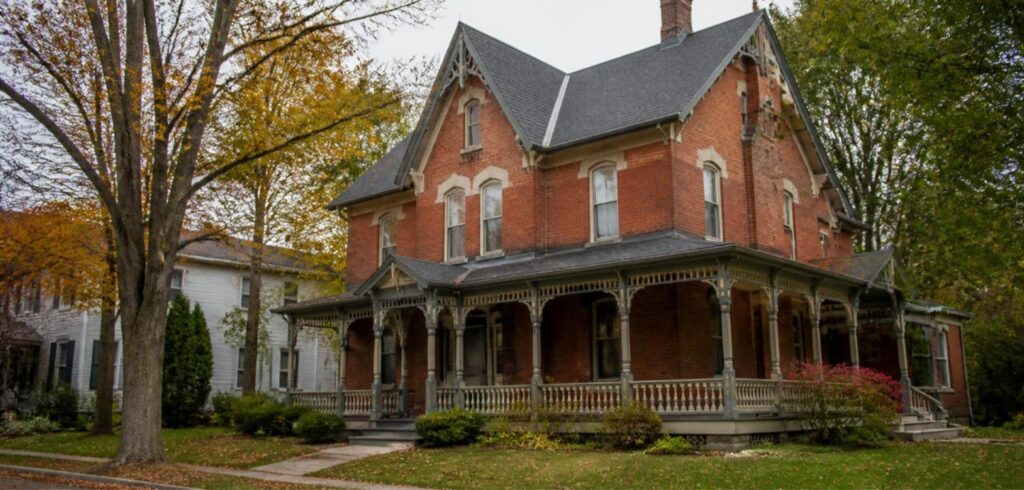
Why Almonte Home Values Are Hard to Estimate
Almonte’s housing is unusually varied for a town its size. Within a few kilometres you’ll find 19th-century stone houses near Mill Street, established subdivisions on municipal services, brand-new homes at communities like Weavers Way and Mill Run, and rural acreages in the surrounding Mississippi Mills countryside. Each of those behaves like a separate market.
That creates three problems for any automated estimate:
- Few true comparables. In a given six-month window, there may be only a handful of sales that genuinely resemble your home.
- Hidden differences. Online models rarely know whether a home has updated wiring, a new septic system, a finished basement or a view of the river.
- Mixed data. Averages that blend heritage homes, new builds and rural properties together don’t describe any single home well.
The Ottawa Real Estate Board and the Canadian Real Estate Association publish broader market statistics, which are useful for spotting direction. For a specific price, you need sold comparables chosen and adjusted by someone who knows the town.
How a Comparative Market Analysis Works in Almonte
A comparative market analysis, or CMA, is the method REALTORS® use to estimate market value. For an Almonte home, Jason’s process looks like this:
- Define the right market. Is this an in-town home on municipal services, a heritage property near the core, a newer subdivision home or a rural property? Each needs different comparables.
- Pull recent sales. Sold prices, not asking prices, from the same area and home type, ideally from the last three to six months.
- Adjust for differences. Lot size, square footage, bedrooms and bathrooms, garage, basement finish, condition and updates.
- Check current competition. What’s for sale now, including builder inventory at new communities, shapes what buyers will pay this month.
- Set a pricing strategy. A value range and a list price that fits the market you’re selling into.
Our guide to the comparative market analysis explains the method in more detail, and what determines home value covers the factors that matter everywhere.
To understand what draws buyers to the town in the first place, see our Almonte, Ontario community guide.
What Adds Value to an Almonte Home
Location within town
Walkability to Mill Street, the river and the downtown shops is one of the strongest drivers of value in Almonte. Homes on quiet streets within walking distance of the core tend to attract the widest pool of buyers, especially downsizers. Proximity to schools, parks and the Riverwalk also matters.
Updated systems in older homes
Buyers of heritage and century homes discount heavily for unknowns. A house with updated electrical, a newer roof, a dry basement and modern heating sells faster and closer to asking than one with original wiring and an oil tank. If your home has older wiring, the Electrical Safety Authority is a good starting point, and our guide to selling a home with knob-and-tube wiring explains how buyers and insurers react.
Heritage character
Original woodwork, stone or brick exteriors and period details add real value for the right buyer. Homes inside the downtown Heritage Conservation District, protected under the Ontario Heritage Act, benefit from a protected streetscape, though some buyers weigh the limits on exterior changes.
Bungalows and main-floor living
Almonte has strong demand from downsizers drawn by the walkable downtown and the local hospital. Well-kept bungalows and homes with a main-floor primary bedroom often draw more interest than their size alone would suggest.
Lot, garage and outdoor space
Deep lots, mature trees, privacy, a garage and a finished basement all add value. For rural properties, outbuildings, a workshop or a barn in good condition can be a major draw.
Sell Your Ottawa Home for Just 1% Listing Commission
Why pay 2.5% listing commission to sell your home when you don't have to? Jason Polonski lists Ottawa homes for a simple 1% listing commission. Full MLS® and REALTOR.ca exposure, professional photography, powerful online marketing, expert pricing, and a skilled negotiator fighting for every dollar of your sale price. Top-tier service — you just keep thousands more when your home sells. Smart sellers are already making the switch. Your home deserves the best, and your wallet deserves a break.
What Can Hold an Almonte Home’s Value Back
- Deferred maintenance. Roof, windows, foundation moisture and ageing mechanical systems all show up in a buyer’s inspection and in their offer.
- Older wiring or an oil tank. These can complicate insurance and financing, narrowing your buyer pool.
- Competition from new builds. While builders are actively selling in Almonte, a newer resale home competes directly with brand-new inventory and builder incentives.
- Busy roads or awkward lots. Location within town matters as much as the house itself.
- Overpricing. In a small market, a home that sits unsold becomes stale quickly. Our guide to why overpricing costs you explains the pattern.
Get Cash Back When You Buy a Home in Ottawa
Can you get cash back when buying a home in Ottawa? Yes. Jason Polonski, a Chairman's Club REALTOR® serving Ottawa and Kanata, shares part of his commission with buyers — up to $3,000 cash back at closing.* You still get full-service, award-winning representation: expert pricing, sharp negotiation, and hands-on guidance from first showing to keys in hand. No cut corners and no rebate-only shortcuts — just real money back in your pocket when you buy your Ottawa or Kanata home.
Valuing Rural Property in Mississippi Mills
Rural homes around Almonte are the hardest to value because no two are alike. Beyond the house, buyers and appraisers look at:
- Acreage and usability: how much of the land is usable, wooded, wet or regulated.
- Well and septic: water quality and flow, and the age and condition of the septic system. Septic records in Mississippi Mills are handled by the Mississippi Valley Conservation Authority for permits since October 2022, and well water can be tested through the Leeds, Grenville and Lanark District Health Unit.
- Outbuildings: barns, shops and garages, and their condition.
- Road and internet: year-round maintained road access and the quality of internet service.
- Severance potential: whether the land could be divided, which depends on zoning and Official Plan policies.
Our guide to rural property in Mississippi Mills covers these factors from the buyer’s side, which is how your buyers will look at your home.
MPAC Assessment vs Market Value
Your property tax assessment from MPAC is not your home’s market value. At the time of writing, Ontario residential assessments are still based on a January 1, 2016 valuation date, so the assessed value often sits well below what the home would sell for today. Use it for tax purposes, not pricing. Our guide to MPAC assessed value vs market value explains the difference, and appraisal vs market value covers how a lender’s appraisal fits in.
How to Increase Your Almonte Home’s Value Before Selling
- Fix what an inspector will flag. A pre-listing inspection shows you the issues before a buyer finds them.
- Gather your records. Electrical upgrades, roof dates, septic pump-outs, well tests and permits all reassure buyers.
- Prioritize high-return updates. Paint, lighting, flooring and curb appeal usually return more than major renovations. See our guide to renovations with the best return.
- Stage for the buyers you expect. Downsizers, families and Ottawa commuters each look for different things. Our guide to staging your home covers the basics.
When Is the Best Time to Sell in Almonte?
Almonte follows the broad seasonal pattern of the Ottawa area: spring usually brings the most buyers, early fall is often strong, and the winter months are quieter. Small-town markets add a twist. Because inventory is limited, a well-priced home can sell well in any season if it’s one of only a few good options available at the time.
The bigger timing questions are usually personal: when you need to move, whether you’re buying first, and how long your next purchase will take, especially if it’s a new build. Our guide to the best time to sell covers the seasonal pattern in more detail.
Checks Buyers Will Make
Knowing what buyers and their inspectors will look at helps you price realistically. Expect a general home inspection on every sale, and on rural properties a well water test and a septic inspection. Many buyers now also ask about radon. Health Canada recommends testing every home, and a recent test result can reassure a buyer. If you’re listing with a REALTOR®, the Real Estate Council of Ontario explains what your agent must disclose and how representation works.
Get an Accurate Value for Your Almonte Home
If you’re thinking about selling in the next year, or you want to know what your Almonte home could put toward your next move, the most accurate starting point is a property-specific analysis. Request a free home evaluation, and Jason will prepare a value range based on recent comparable sales, with notes on what could move the number up or down.
If you’re selling to buy elsewhere, timing matters as much as price. Jason’s buy and sell coordination service plans both sides on one timeline. And with a 1% Listing Commission, charged on the final sale price, more of your equity stays with you. See how the low-commission model works.
Pricing also depends on what buyers can choose from. Check active Almonte listings to see your competition, along with new homes in Almonte such as Weavers Way, since many resale buyers compare against new builds. If you own a century home, our guide to buying a heritage home in Almonte shows what buyers will inspect. Buyers moving from Ottawa will also weigh the commute and what Almonte offers day to day, and many will be comparing Almonte against Carp and Stittsville. When you list with Jason, his 1% Listing Commission is charged on the final sold price, with the buyer-side commission handled separately.


Posted on Google 

Jennifer Clark
10 days ago
 Trustindex verifies that the original source of the review is Google.
His availability to communicate was incredible which is so important when selling a house. Great at everything else too.
Posted on Google

Aarushi Govil
21 days ago
Trustindex verifies that the original source of the review is Google. Working with Jason has been an absolute privilege from start to finish. Finding the right realtor can be daunting, but Jason exceeded every expectation. He is remarkably knowledgeable and was extremely punctual and responsive to every question or request we had, no matter the time or the day. What stood out most was his complete sincerity and zero-pressure approach. When we walked through houses, he was transparent, pointing out both the pros and potential red flags instead of trying to make a quick sale. His honest feedback gave us complete confidence in our decision. If you want a dedicated, honest, and highly skilled agent in your corner, look no further than Jason!
Posted on Google

Joe Ireland
35 days ago
Trustindex verifies that the original source of the review is Google. Jason helped me buy my first home.
He was extremely responsive and available from our very first call, and assisted with booking multiple viewings across Ottawa.
He was punctual to every viewing and honest with his feedback with the homes we saw, and when it came time to go from viewing to buying, he had an impressive array of contacts from brokers to inspectors to lawyers, all with excellent reviews and who were great to work with in their own right.
As a first-time home buyer, his responsiveness and patience with many questions were extremely reassuring and really streamlined the process, and I signed an offer on my home within just 2 weeks of meeting him.
I would strongly recommend Jason to anyone buying a home in Ottawa, especially to those who are strangers to the process like I was.
Thank you again, Jason!
Posted on Google

Marina
65 days ago
Trustindex verifies that the original source of the review is Google. We had a wonderful experience working with our realtor - Jason Polonski. He is a professional, knowledgeable, responsive, and truly attentive to our needs. Jason guided us through every step of the process, answered all of our questions. My family are very grateful for his work and would absolutely recommend him to anyone looking for a reliable and trustworthy realtor in Ottawa and around !
Posted on Google

Vatrul “Vatrul”
69 days ago
Trustindex verifies that the original source of the review is Google. First time home seller. Every process of the journey was explained and laid out perfectly.. Very highly recommended.. thank you Jason..
Posted on Google

Olga V.
70 days ago
Trustindex verifies that the original source of the review is Google. Jason is very knowledgeable realtor in Kanata. He’s been always good beyond to help his clients. We had a place experience buying a house in Kanata. I highly recommend him.
Posted on Google

Yuri Tsouker
77 days ago
Trustindex verifies that the original source of the review is Google. Working with Jason on the sale of my property was genuinely one of the smoothest professional experiences I've had. He was responsive at every step, patient with every question (and I had many), and he clearly knew the local market inside and out.
My sale wasn't a simple one — there was a tenant, a rental water heater, a plumber to coordinate, and plenty of complications that made this a genuinely difficult case. Jason handled all of it with calm, practical advice and always got back to me quickly, often with a solution before I even finished asking about the problem.
What stood out most was his honesty. He didn't push, he didn't overpromise, and every recommendation he made turned out to be exactly right. I felt like I had a professional in my corner from day one.
If you're looking for a realtor who is knowledgeable, responsive, and genuinely trustworthy, I can't recommend Jason highly enough. Thank you, Jason — much appreciated!
Posted on Google

Denis Pepin
101 days ago
Trustindex verifies that the original source of the review is Google. Outstanding Experience with Jason Polonski!
Last May, my wife and I sold our home in Stittsville with Jason Polonski, and we couldn't be happier with our decision. Jason made the entire process remarkably smooth and stress-free.
From day one, Jason stood out for his exceptional communication. He was always prompt and available to answer our queries—often within minutes—no matter the time of day. Whenever we had questions regarding paperwork, listing strategies, or handling property details, he addressed every concern with a truly genuine, human touch.
What impressed us most was how proactive and reassuring he was at every step. When we had to coordinate the buyout of our water heater rental, Jason handled the reimbursement seamlessly, reassuring us with, "We should have a smooth sale now. :)"—and it truly was! Even post-closing, when we needed to arrange delivery for mailbox keys or track down final funds from head office, Jason stayed on top of every detail, putting a rush on things and constantly keeping us updated.
Jason is a dedicated, attentive, and highly professional realtor who genuinely cares about his clients. It has been an absolute pleasure working with him, and we highly recommend Jason Polonski to anyone looking to buy or sell a home in the Ottawa region.
Posted on Google

Tammy Puhakka
110 days ago
Trustindex verifies that the original source of the review is Google. I highly recommend Jason Polonski, a realtor in Kanata, Ottawa. He truly went above and beyond for me. During a long weekend, he called me and, within just two hours, had an offer to purchase prepared and sent so I could secure the home I had found and fallen in love with.
Jason was professional, efficient, knowledgeable, and incredibly pleasant to work with. His rates are very reasonable, and his dedication to his clients is outstanding. If you’re looking for fast, reliable, and friendly service, I would absolutely recommend contacting him.❤️
Posted on Google

Joe Melindy
115 days ago
Trustindex verifies that the original source of the review is Google. Everything went smoothly. Jason is very good at what he does. Would highly recommend. Thanks Jason 😊
About Jason Polonski
Jason prepares every Almonte valuation himself, using recent sold comparables and the adjustments a buyer’s appraiser is likely to make. His trades background helps him spot the condition issues that move value up or down, and his 1% Listing Commission, charged on the final sale price, means more of that value stays with you when you sell.
Jason Polonski is a REALTOR® with Right at Home Realty, based in Kanata, about 25 minutes from Almonte. With more than 15 years in Ottawa-area real estate and hundreds of buyers and sellers helped, he serves the west end and the communities beyond it, including Almonte and Mississippi Mills.
His construction and electrical trades background, including a technical diploma in construction electricity, helps him spot the condition issues that affect value in heritage and rural homes before buyers do. He also holds a Bachelor of Commerce from Concordia University with a double major in Marketing and Finance, which shapes how he prices and markets homes. To get a value for your Almonte home, visit Jason’s Almonte realtor page or call or text (613) 601-9333.
Almonte Home Value FAQs
Ask a local REALTOR® for a comparative market analysis based on recent sales of similar homes in the same part of Almonte. Online estimates are less reliable in a small, varied market.
No. At the time of writing, Ontario residential assessments are still based on a 2016 valuation date, so they often sit below current market value.
Almonte has few recent comparable sales and a wide mix of heritage, new and rural homes. Automated models can’t see condition, updates or servicing.
They can. Newer resale homes compete with builder inventory and incentives, so pricing needs to reflect what buyers can get new.
Beyond the house, buyers weigh acreage, well water quality and flow, septic condition, outbuildings, road access and internet service.
Fixing inspection issues, documenting upgrades, and cosmetic updates like paint, lighting and curb appeal usually return the most.
