MANOTICK REAL ESTATE
Heritage and Century Homes in Manotick
By Jason Polonski, REALTOR® with Right at Home Realty · Last updated: October 2026 · Client reviews
Manotick’s heritage and century homes are concentrated in the village core and on Long Island, close to Watson’s Mill, which was founded in 1860, and Dickinson House, built in 1863. They offer character, mature lots and walkability, but they also bring older wiring, foundations and systems, and some come with heritage listing or designation that affects what you can change.
A century home can be a great purchase if you know what you’re taking on. This guide explains what heritage listing and designation mean in Ottawa, what to inspect, what to expect on insurance and renovation, and how these homes are priced.
For the neighbourhood around them, see our guide to the Manotick village core. For the whole village, see the Manotick village guide.
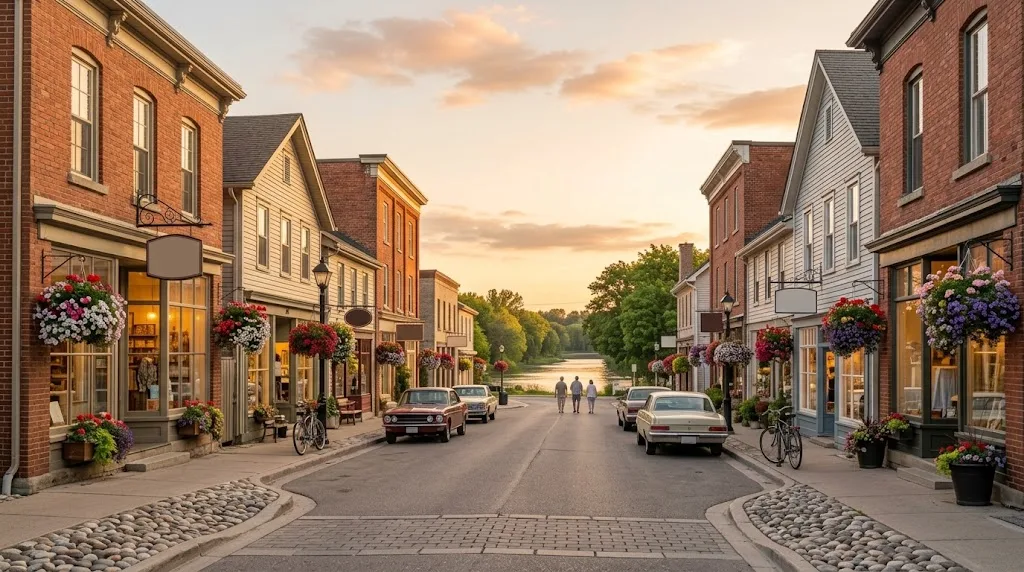
Manotick’s Historic Housing Stock
Manotick grew around the Long Island Flouring Mills, founded by Moss Kent Dickinson and Joseph Merrill Currier in 1860 and later renamed Watson’s Mill. The village was laid out in the 1860s, St. James Anglican Church followed in 1876, and Manotick became a police village in 1903.
Homes from that era and the early twentieth century still line the streets near the mill and Main Street. You’ll find stone and frame houses, farmhouse-style homes and later infill, often with additions from several decades.
Few of these homes are alike, and most have been renovated more than once. That’s why condition, past work and paperwork matter more than age.
Listed vs Designated: What Heritage Status Means
In Ottawa, a heritage property can be listed or designated, and the difference matters to a buyer.
- Listed. The property is on the City’s heritage register but isn’t designated. According to the City’s heritage register FAQ, listing adds no extra restrictions on alterations and needs no heritage permit, but demolition requires 60 days’ notice to the City.
- Designated. The property is protected under Part IV or Part V of the Ontario Heritage Act. Changes to designated heritage features usually need a heritage permit from the City.
The City has been reviewing thousands of listed properties following provincial changes, and some may be designated. Ask the seller and the City about a property’s status before you buy, and check the City’s heritage properties information. If you’re planning major changes, find out what’s protected first.
Sell Your Ottawa Home for Just 1% Listing Commission
Why pay 2.5% listing commission to sell your home when you don't have to? Jason Polonski lists Ottawa homes for a simple 1% listing commission. Full MLS® and REALTOR.ca exposure, professional photography, powerful online marketing, expert pricing, and a skilled negotiator fighting for every dollar of your sale price. Top-tier service — you just keep thousands more when your home sells. Smart sellers are already making the switch. Your home deserves the best, and your wallet deserves a break.
What to Inspect on a Manotick Century Home
My background in the construction and electrical trades shapes this list. On an older home, the systems decide what you’ll spend.
- Wiring. Look for knob-and-tube remnants, aluminum branch wiring, old fuse panels and ungrounded circuits. Insurers often ask about these. See knob-and-tube wiring and aluminum wiring, and look for Electrical Safety Authority sign-off on upgrades.
- Foundation. Stone and older block foundations need a close look for cracks, mortar loss and water entry, especially near the river.
- Roof, windows and insulation. Original windows and thin insulation affect comfort and heating costs.
- Hazardous materials. Older homes can contain asbestos in insulation, flooring or pipe wrap, and lead in old paint. See asbestos in Ottawa homes.
- Heating and oil tanks. Ask about current and past fuel, and any buried or basement tank. See oil tanks.
- Servicing and radon. Confirm water and sewer (see our Manotick water and septic guide) and test for radon using Health Canada’s guidance.
Get Cash Back When You Buy a Home in Ottawa
Can you get cash back when buying a home in Ottawa? Yes. Jason Polonski, a Chairman's Club REALTOR® serving Ottawa and Kanata, shares part of his commission with buyers — up to $3,000 cash back at closing.* You still get full-service, award-winning representation: expert pricing, sharp negotiation, and hands-on guidance from first showing to keys in hand. No cut corners and no rebate-only shortcuts — just real money back in your pocket when you buy your Ottawa or Kanata home.
Insurance, Financing and Renovation
Older homes can be harder to insure. Some insurers decline or surcharge homes with knob-and-tube wiring, old panels, oil tanks or wood stoves, so get a quote before your conditions expire.
Lenders may also ask about the condition of a century home, and an appraisal can come in lower if comparables are thin. Our guide to appraisal vs market value explains why.
Budget for renovation realistically. Opening old walls often reveals more work, and heritage designation can affect what you change on the outside. Get permits for structural, electrical and plumbing work. See how to update an aging home and buying an older home.
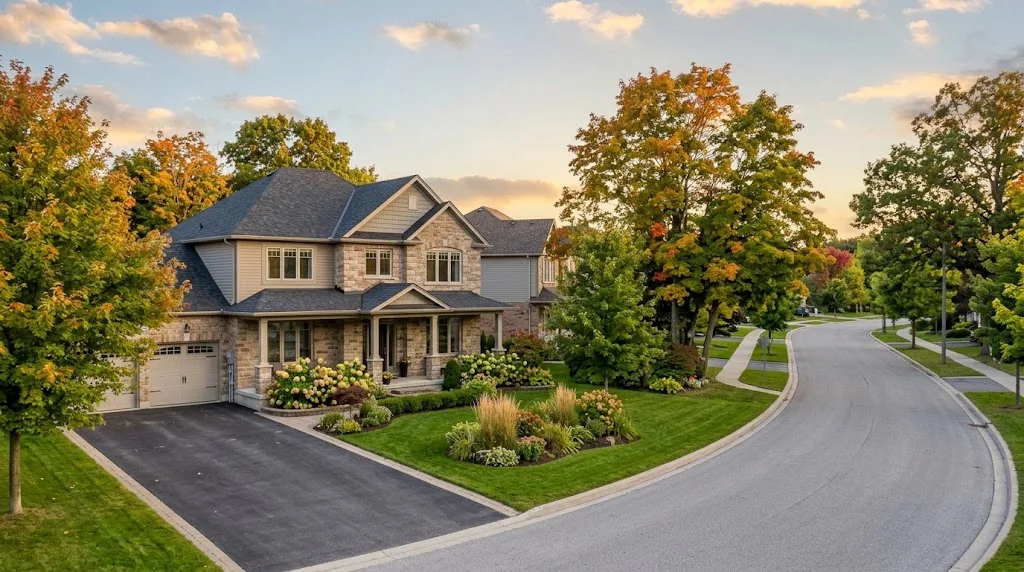
How Heritage Homes Are Priced and Sold
Century homes in Manotick sell on character, location and condition, in roughly that order for buyers who want them. But the buyer pool is smaller, and inspections find more, so pricing has to account for both the premium for character and the cost of what needs doing.
A comparative market analysis for a heritage home looks at recent village sales and adjusts for updates to wiring, plumbing, heating and the roof, as well as lot and walkability. Documented upgrades with permits support a higher price.
If you’re selling, our guide to selling a heritage home in Ottawa covers preparation and disclosure, and selling an older home covers the most common inspection issues.
Restoring vs Renovating: Keeping the Character
The value of a century home is its character, so renovate in a way that keeps it.
- Windows. Original wood windows can often be restored and fitted with storms, which keeps the look and improves efficiency. Replacements should match the original style.
- Masonry. Older stone and brick need soft, lime-based mortar. Hard modern mortar can damage historic masonry.
- Interiors. Original trim, floors and stairs are worth keeping and refinishing where possible.
- Additions. A well-designed rear addition can add space without changing the street face of the home.
If the home is designated, check which features are protected under the Ontario Heritage Act before you plan exterior work.
Energy Upgrades in an Older Home
Century homes can be drafty and costly to heat. The most effective upgrades are usually air sealing, attic insulation and an efficient heating system, followed by windows. Natural Resources Canada has guidance on energy efficiency for older homes.
Electrical upgrades often come first, because insurers ask about old wiring. Plan them with a licensed electrical contractor and get Electrical Safety Authority sign-off. A heat pump can be a good fit once the envelope is tighter.
Questions to Ask Before Buying a Century Home
- When were the wiring, plumbing, roof and heating last updated, and are there permits and ESA certificates?
- Is the home listed or designated on the City’s heritage register?
- Has there ever been an oil tank on the property, above or below ground?
- Has the basement ever taken on water?
- Are there any known hazardous materials, such as asbestos or vermiculite insulation?
- What does the current home insurance cost, and with which insurer?
- Is the home on city water and sewer, or a well and septic?
Good answers, with paperwork to back them up, make a century home far easier to buy, finance and insure. Gaps aren’t necessarily deal-breakers, but they should be reflected in your price and your conditions.
For a general overview of buyer protections and what a REALTOR® must do for you, the Real Estate Council of Ontario publishes consumer guides.
Living in a Century Home: What to Expect
Owning a century home is rewarding, but it’s a different experience from owning a newer house. A few things to expect:
- Ongoing maintenance. Older materials need regular care: repointing masonry, painting wood trim, maintaining original windows and checking the roof.
- Uneven floors and quirks. Settling over a century is normal. It’s character, as long as the structure is sound.
- Seasonal comfort. Older homes can be draftier in winter and warmer upstairs in summer until insulation and air sealing are improved.
- Finding the right trades. Masonry, plaster and window restoration need specialists. Good ones book up early.
- Higher insurance scrutiny. Expect insurers to ask about wiring, plumbing, heating and the roof.
Most century-home owners would say the trade-off is worth it: solid construction, mature lots, character no new build can match, and a place in the village’s history. Going in with clear expectations, and a realistic budget for the first few years, is what makes the difference between a home you love and one that feels like a project.
Selling a Century Home in Manotick
If you’re selling a Manotick century home, gather records of every major update, with permits and ESA certificates where they apply. Buyers pay for documented improvements. Address obvious maintenance items, and consider a pre-listing inspection so there are no surprises. Then present the home’s character well: good photography of original details, a brief history of the house if you have one, and accurate information on servicing and heritage status.
Finally, consider who will help you look after the home once you own it. Building relationships with a good electrician, a masonry contractor and a window restorer early pays off, because century homes reward regular, informed maintenance far more than occasional large repairs. Keep a file of every update and permit, too; it protects your investment and makes the eventual sale much easier.
Buying or Selling a Manotick Century Home With Jason Polonski
I’m Jason Polonski, a REALTOR® with Right at Home Realty and more than 15 years in Ottawa real estate. Before real estate, I worked in construction and the electrical trades, so I can tell you which issues in an older home are cosmetic and which are expensive before you write an offer.
I also hold a Bachelor of Commerce from Concordia University with a double major in Marketing and Finance. Whether you’re buying a century home or selling one, I’ll help you price it for what it really is.
Sellers can list with a 1% Listing Commission, and qualifying buyers can get up to $3,000 cash back at closing. Learn more about your Manotick REALTOR®, read client reviews, or call or text (613) 601-9333.
See also: our Manotick real estate guide.


Posted on Google 

Jennifer Clark
13 days ago
 Trustindex verifies that the original source of the review is Google.
His availability to communicate was incredible which is so important when selling a house. Great at everything else too.
Posted on Google

Aarushi Govil
24 days ago
Trustindex verifies that the original source of the review is Google. Working with Jason has been an absolute privilege from start to finish. Finding the right realtor can be daunting, but Jason exceeded every expectation. He is remarkably knowledgeable and was extremely punctual and responsive to every question or request we had, no matter the time or the day. What stood out most was his complete sincerity and zero-pressure approach. When we walked through houses, he was transparent, pointing out both the pros and potential red flags instead of trying to make a quick sale. His honest feedback gave us complete confidence in our decision. If you want a dedicated, honest, and highly skilled agent in your corner, look no further than Jason!
Posted on Google

Joe Ireland
38 days ago
Trustindex verifies that the original source of the review is Google. Jason helped me buy my first home.
He was extremely responsive and available from our very first call, and assisted with booking multiple viewings across Ottawa.
He was punctual to every viewing and honest with his feedback with the homes we saw, and when it came time to go from viewing to buying, he had an impressive array of contacts from brokers to inspectors to lawyers, all with excellent reviews and who were great to work with in their own right.
As a first-time home buyer, his responsiveness and patience with many questions were extremely reassuring and really streamlined the process, and I signed an offer on my home within just 2 weeks of meeting him.
I would strongly recommend Jason to anyone buying a home in Ottawa, especially to those who are strangers to the process like I was.
Thank you again, Jason!
Posted on Google

Marina
68 days ago
Trustindex verifies that the original source of the review is Google. We had a wonderful experience working with our realtor - Jason Polonski. He is a professional, knowledgeable, responsive, and truly attentive to our needs. Jason guided us through every step of the process, answered all of our questions. My family are very grateful for his work and would absolutely recommend him to anyone looking for a reliable and trustworthy realtor in Ottawa and around !
Posted on Google

Vatrul “Vatrul”
72 days ago
Trustindex verifies that the original source of the review is Google. First time home seller. Every process of the journey was explained and laid out perfectly.. Very highly recommended.. thank you Jason..
Posted on Google

Olga V.
73 days ago
Trustindex verifies that the original source of the review is Google. Jason is very knowledgeable realtor in Kanata. He’s been always good beyond to help his clients. We had a place experience buying a house in Kanata. I highly recommend him.
Posted on Google

Yuri Tsouker
80 days ago
Trustindex verifies that the original source of the review is Google. Working with Jason on the sale of my property was genuinely one of the smoothest professional experiences I've had. He was responsive at every step, patient with every question (and I had many), and he clearly knew the local market inside and out.
My sale wasn't a simple one — there was a tenant, a rental water heater, a plumber to coordinate, and plenty of complications that made this a genuinely difficult case. Jason handled all of it with calm, practical advice and always got back to me quickly, often with a solution before I even finished asking about the problem.
What stood out most was his honesty. He didn't push, he didn't overpromise, and every recommendation he made turned out to be exactly right. I felt like I had a professional in my corner from day one.
If you're looking for a realtor who is knowledgeable, responsive, and genuinely trustworthy, I can't recommend Jason highly enough. Thank you, Jason — much appreciated!
Posted on Google

Denis Pepin
104 days ago
Trustindex verifies that the original source of the review is Google. Outstanding Experience with Jason Polonski!
Last May, my wife and I sold our home in Stittsville with Jason Polonski, and we couldn't be happier with our decision. Jason made the entire process remarkably smooth and stress-free.
From day one, Jason stood out for his exceptional communication. He was always prompt and available to answer our queries—often within minutes—no matter the time of day. Whenever we had questions regarding paperwork, listing strategies, or handling property details, he addressed every concern with a truly genuine, human touch.
What impressed us most was how proactive and reassuring he was at every step. When we had to coordinate the buyout of our water heater rental, Jason handled the reimbursement seamlessly, reassuring us with, "We should have a smooth sale now. :)"—and it truly was! Even post-closing, when we needed to arrange delivery for mailbox keys or track down final funds from head office, Jason stayed on top of every detail, putting a rush on things and constantly keeping us updated.
Jason is a dedicated, attentive, and highly professional realtor who genuinely cares about his clients. It has been an absolute pleasure working with him, and we highly recommend Jason Polonski to anyone looking to buy or sell a home in the Ottawa region.
Posted on Google

Tammy Puhakka
113 days ago
Trustindex verifies that the original source of the review is Google. I highly recommend Jason Polonski, a realtor in Kanata, Ottawa. He truly went above and beyond for me. During a long weekend, he called me and, within just two hours, had an offer to purchase prepared and sent so I could secure the home I had found and fallen in love with.
Jason was professional, efficient, knowledgeable, and incredibly pleasant to work with. His rates are very reasonable, and his dedication to his clients is outstanding. If you’re looking for fast, reliable, and friendly service, I would absolutely recommend contacting him.❤️
Posted on Google

Joe Melindy
118 days ago
Trustindex verifies that the original source of the review is Google. Everything went smoothly. Jason is very good at what he does. Would highly recommend. Thanks Jason 😊
Related Manotick guides: land and building lots in Manotick and downsizing in Manotick.
Manotick Heritage Homes FAQs
Mostly in the village core and on Long Island, near Watson’s Mill and Main Street, where the village grew from the 1860s.
A listed property is on the City’s heritage register but isn’t designated, so alterations need no heritage permit, though demolition needs 60 days’ notice. A designated property is protected under the Ontario Heritage Act, and changes to its heritage features usually need a permit.
It can be. Knob-and-tube wiring, old panels, oil tanks and wood stoves can lead to surcharges or declines, so get a quote before your conditions expire.
Wiring and panel, foundation and moisture, roof, windows and insulation, asbestos and lead paint, heating and oil tanks, servicing and radon.
Usually yes, with permits. If the home is designated, changes to protected heritage features need City approval, so check its status first.
They can be, if you price in the cost of updates. Documented, permitted upgrades to wiring, heating and the roof make a big difference to value.
