Ottawa Home Buyers
Does a Failed Home Inspection Kill a Sale in Ottawa?
By Jason Polonski, REALTOR® with Right at Home Realty · 15+ years in Ottawa real estate · Updated October 2026 · Client reviews
Does a Failed Home Inspection Kill a Sale?
A home inspection rarely kills a sale on its own. Inspections don’t “pass” or “fail” — they produce a report — and most deals survive inspection issues through renegotiation, repairs, or a credit. The deals that actually die usually involve one of two things: a genuinely serious problem the buyer didn’t expect, or a breakdown in trust when a seller handles the buyer’s reaction badly. Both are largely preventable.
Here’s what really happens after a tough inspection in Ottawa, why the occasional deal collapses, and how to keep yours together. The short version: the inspection stage worries sellers far more than it should, because the outcome is mostly within your control long before the buyer’s inspector ever arrives.
First, inspections don’t “pass” or “fail”
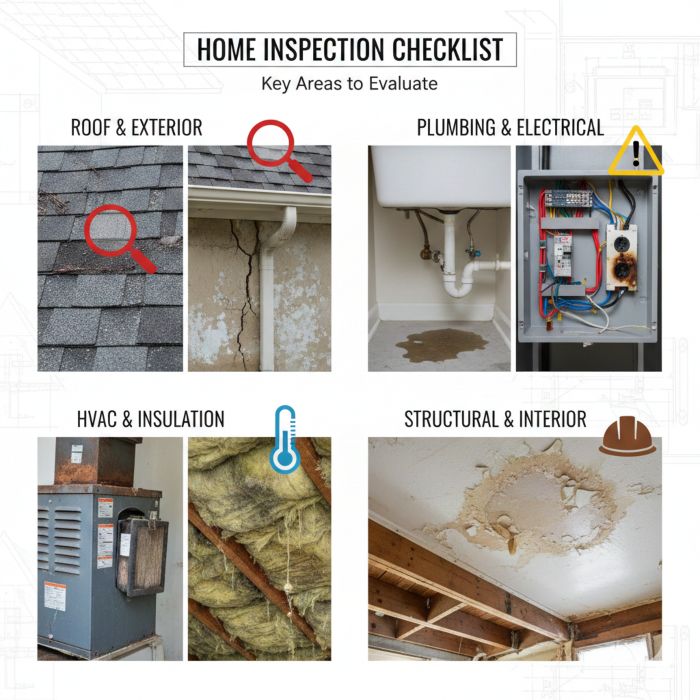
The phrase “failed inspection” is misleading. A home inspector isn’t grading your home against a pass mark — they’re documenting its condition, listing everything from a worn washer to a serious structural concern, so the buyer understands what they’re purchasing. Every home, including brand-new ones, generates a list of findings.
So a report full of items isn’t a failure; it’s normal. What matters is the severity of the findings and how buyer and seller respond to them. Reframing it this way matters, because sellers who panic at a long report often create the very problem they fear. Inspectors in Ontario work under professional bodies like the Ontario Association of Home Inspectors and the Canadian Association of Home and Property Inspectors, and their job is thoroughness, not a verdict.
What actually happens after a buyer’s inspection
In most Ottawa deals, the inspection happens during a conditional period after an accepted offer. Once the buyer has the report, they generally have a few choices: proceed as-is and waive the condition, come back to renegotiate on price or repairs, or — if the report is bad enough or their condition allows — walk away.
The large majority of the time, buyers don’t walk. They renegotiate. A report that flags real issues becomes the basis for a conversation about who fixes what, or a price adjustment, or a credit at closing. General guidance on the inspection process from CMHC frames it the same way: inspection is a normal due-diligence step, not a pass/fail gate. The deal usually continues — just on adjusted terms.
Sell Your Ottawa Home for Just 1% Listing Commission
Why pay 2.5% listing commission to sell your home when you don't have to? Jason Polonski lists Ottawa homes for a simple 1% listing commission. Full MLS® and REALTOR.ca exposure, professional photography, powerful online marketing, expert pricing, and a skilled negotiator fighting for every dollar of your sale price. Top-tier service — you just keep thousands more when your home sells. Smart sellers are already making the switch. Your home deserves the best, and your wallet deserves a break.
Why a deal actually dies at inspection
When a sale does collapse at inspection, it’s typically for one of these reasons.
A genuine major surprise. A serious structural, roof, foundation, electrical, or environmental problem the buyer had no idea about can legitimately end a deal, especially if the cost is high or triggers an insurance or financing problem. This is the category worth preventing, because it’s almost always avoidable through preparation.
A breakdown of trust. Sometimes the issue itself is manageable, but the buyer feels the seller hid it or wasn’t honest, and they lose confidence in the whole property. Trust, once broken mid-deal, is hard to rebuild — which is why disclosure matters so much.
Buyer’s cold feet. Occasionally, a buyer with second thoughts uses a minor inspection finding as an exit. There’s not much a seller can do about a buyer who simply changed their mind, but a strong, well-prepared listing attracts committed buyers in the first place.
A triggered insurance or financing snag. Findings like knob-and-tube wiring or an aging oil tank can create an insurance problem that stops financing — the Insurance Bureau of Canada explains how such factors affect coverage. These are the older-home issues best resolved before listing.
Get Cash Back When You Buy a Home in Ottawa
Can you get cash back when buying a home in Ottawa? Yes. Jason Polonski, a Chairman's Club REALTOR® serving Ottawa and Kanata, shares part of his commission with buyers — up to $3,000 cash back at closing.* You still get full-service, award-winning representation: expert pricing, sharp negotiation, and hands-on guidance from first showing to keys in hand. No cut corners and no rebate-only shortcuts — just real money back in your pocket when you buy your Ottawa or Kanata home.
Which findings scare buyers most
Not all findings carry equal weight. Buyers tend to shrug off cosmetic and minor-maintenance items — a dripping tap, a cracked tile, a worn caulk line — because those are expected. What alarms them are the big-ticket, uncertainty-heavy items: roof at end of life, foundation or structural concerns, moisture and mould, major electrical issues, an aging furnace, or anything environmental like an oil tank or radon. Radon in particular is worth noting in Ottawa, where Health Canada recommends testing.
The pattern is that buyers fear the unknown and the expensive. A finding that’s clearly bounded — with a known cause and a known cost — is far less scary than a vague warning that could mean anything. Part of keeping a deal alive is converting scary-sounding findings into concrete, quoted facts.
How to save a deal after a bad inspection
When a buyer comes back with concerns, you have more options than “fix everything” or “lose the deal.”
You can complete specific repairs before closing, ideally with your own trusted trades at a fair cost. You can offer a credit or price adjustment so the buyer handles the work themselves. You can provide real contractor quotes that right-size an alarming finding — often a problem the report made sound dire costs far less than the buyer feared. You can get a specialist’s second opinion where an inspector flagged something outside their expertise and recommended further evaluation. And you can simply hold firm on a minor item, since not every finding warrants a concession.
The key is staying calm and solution-focused rather than defensive. A registered agent guides this negotiation within the professional standards set by the Real Estate Council of Ontario, and most inspection issues resolve into a deal that closes on slightly adjusted terms.
Repairs versus credits: which is better?
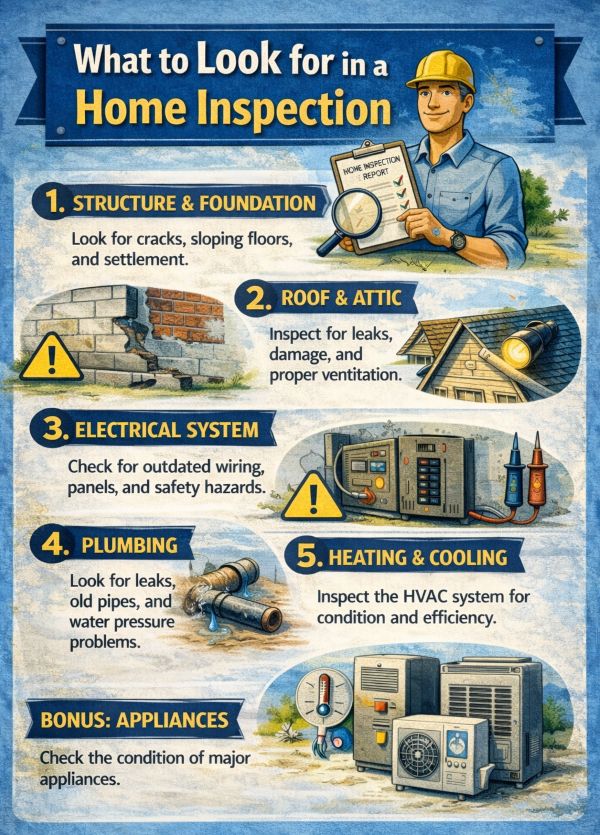
When a finding needs addressing, sellers often ask whether to fix it or give the buyer a credit. Both keep the deal alive; the right choice depends on the item. Completing the repair yourself makes sense when you can have it done properly and affordably by a trusted trade, when the fix removes an insurance or financing obstacle, or when leaving it unaddressed would scare off this and future buyers. A credit or price adjustment makes sense when the buyer would rather choose their own contractor, when time before closing is tight, or when the exact scope is better left to the new owner.
What rarely works is a rushed, cheap repair done just to close — buyers can tell, and a visibly patched fix can worry them more than a credit would. The goal is a solution that leaves the buyer confident, whichever form it takes. Deciding well here is where an agent who understands both the trade work and the numbers earns their keep.
Your best defence: prepare before you list
The single most effective way to keep an inspection from killing your sale is to remove the surprises before a buyer ever orders one. That means addressing or documenting known issues, and — especially for older or rural homes — considering a pre-listing inspection so you find the problems first and deal with them on your own terms.
When you already know what a buyer’s inspector will find, their report holds no surprises. You’ve fixed, priced, or documented every item, and the negotiation is calm because both sides are looking at the same known facts. This is exactly the approach that protects sellers of older Ottawa homes, where the inspection is the main event.
Reading the report realistically
Home inspection reports can read alarmingly even when the home is sound, because inspectors flag everything and hedge with cautious language. This is where my background helps sellers keep perspective. Before real estate, I worked in construction and the electrical trades, so I can look at a report’s findings and tell the difference between a genuine problem and standard cautious wording — and know which items warrant a real quote versus which are routine for the home’s age.
That perspective keeps sellers from over-reacting to a scary-sounding report and over-conceding, and from underestimating a finding that genuinely needs attention. Getting real numbers on the items that matter — where electrical work is involved, verified against Electrical Safety Authority standards — turns anxiety into a clear negotiating position.


Posted on Google 

Jennifer Clark
10 days ago
 Trustindex verifies that the original source of the review is Google.
His availability to communicate was incredible which is so important when selling a house. Great at everything else too.
Posted on Google

Aarushi Govil
21 days ago
Trustindex verifies that the original source of the review is Google. Working with Jason has been an absolute privilege from start to finish. Finding the right realtor can be daunting, but Jason exceeded every expectation. He is remarkably knowledgeable and was extremely punctual and responsive to every question or request we had, no matter the time or the day. What stood out most was his complete sincerity and zero-pressure approach. When we walked through houses, he was transparent, pointing out both the pros and potential red flags instead of trying to make a quick sale. His honest feedback gave us complete confidence in our decision. If you want a dedicated, honest, and highly skilled agent in your corner, look no further than Jason!
Posted on Google

Joe Ireland
35 days ago
Trustindex verifies that the original source of the review is Google. Jason helped me buy my first home.
He was extremely responsive and available from our very first call, and assisted with booking multiple viewings across Ottawa.
He was punctual to every viewing and honest with his feedback with the homes we saw, and when it came time to go from viewing to buying, he had an impressive array of contacts from brokers to inspectors to lawyers, all with excellent reviews and who were great to work with in their own right.
As a first-time home buyer, his responsiveness and patience with many questions were extremely reassuring and really streamlined the process, and I signed an offer on my home within just 2 weeks of meeting him.
I would strongly recommend Jason to anyone buying a home in Ottawa, especially to those who are strangers to the process like I was.
Thank you again, Jason!
Posted on Google

Marina
65 days ago
Trustindex verifies that the original source of the review is Google. We had a wonderful experience working with our realtor - Jason Polonski. He is a professional, knowledgeable, responsive, and truly attentive to our needs. Jason guided us through every step of the process, answered all of our questions. My family are very grateful for his work and would absolutely recommend him to anyone looking for a reliable and trustworthy realtor in Ottawa and around !
Posted on Google

Vatrul “Vatrul”
69 days ago
Trustindex verifies that the original source of the review is Google. First time home seller. Every process of the journey was explained and laid out perfectly.. Very highly recommended.. thank you Jason..
Posted on Google

Olga V.
70 days ago
Trustindex verifies that the original source of the review is Google. Jason is very knowledgeable realtor in Kanata. He’s been always good beyond to help his clients. We had a place experience buying a house in Kanata. I highly recommend him.
Posted on Google

Yuri Tsouker
77 days ago
Trustindex verifies that the original source of the review is Google. Working with Jason on the sale of my property was genuinely one of the smoothest professional experiences I've had. He was responsive at every step, patient with every question (and I had many), and he clearly knew the local market inside and out.
My sale wasn't a simple one — there was a tenant, a rental water heater, a plumber to coordinate, and plenty of complications that made this a genuinely difficult case. Jason handled all of it with calm, practical advice and always got back to me quickly, often with a solution before I even finished asking about the problem.
What stood out most was his honesty. He didn't push, he didn't overpromise, and every recommendation he made turned out to be exactly right. I felt like I had a professional in my corner from day one.
If you're looking for a realtor who is knowledgeable, responsive, and genuinely trustworthy, I can't recommend Jason highly enough. Thank you, Jason — much appreciated!
Posted on Google

Denis Pepin
101 days ago
Trustindex verifies that the original source of the review is Google. Outstanding Experience with Jason Polonski!
Last May, my wife and I sold our home in Stittsville with Jason Polonski, and we couldn't be happier with our decision. Jason made the entire process remarkably smooth and stress-free.
From day one, Jason stood out for his exceptional communication. He was always prompt and available to answer our queries—often within minutes—no matter the time of day. Whenever we had questions regarding paperwork, listing strategies, or handling property details, he addressed every concern with a truly genuine, human touch.
What impressed us most was how proactive and reassuring he was at every step. When we had to coordinate the buyout of our water heater rental, Jason handled the reimbursement seamlessly, reassuring us with, "We should have a smooth sale now. :)"—and it truly was! Even post-closing, when we needed to arrange delivery for mailbox keys or track down final funds from head office, Jason stayed on top of every detail, putting a rush on things and constantly keeping us updated.
Jason is a dedicated, attentive, and highly professional realtor who genuinely cares about his clients. It has been an absolute pleasure working with him, and we highly recommend Jason Polonski to anyone looking to buy or sell a home in the Ottawa region.
Posted on Google

Tammy Puhakka
110 days ago
Trustindex verifies that the original source of the review is Google. I highly recommend Jason Polonski, a realtor in Kanata, Ottawa. He truly went above and beyond for me. During a long weekend, he called me and, within just two hours, had an offer to purchase prepared and sent so I could secure the home I had found and fallen in love with.
Jason was professional, efficient, knowledgeable, and incredibly pleasant to work with. His rates are very reasonable, and his dedication to his clients is outstanding. If you’re looking for fast, reliable, and friendly service, I would absolutely recommend contacting him.❤️
Posted on Google

Joe Melindy
115 days ago
Trustindex verifies that the original source of the review is Google. Everything went smoothly. Jason is very good at what he does. Would highly recommend. Thanks Jason 😊
Negotiating from an inspection report
When the report drives a renegotiation, the strongest position is factual. Meet each significant finding with information: what it actually is, what it actually costs to address, and what’s reasonable given the home’s age and the price. Buyers respond to concrete facts far better than to a seller who either dismisses their concerns or capitulates to every one.
Most Ottawa deals that hit a rough inspection close successfully because both sides negotiate in good faith from real information. Demand for well-presented homes across the city, reflected in Ottawa Real Estate Board activity, means a committed buyer usually wants to make the deal work — they just want to feel the issues are being handled fairly, and buyers browsing REALTOR.ca have plenty of comparison points for what’s reasonable.
Jason Polonski is a full-time Ottawa REALTOR® with Right at Home Realty whose trades background is a genuine asset when an inspection gets tense — he reads reports realistically, separates real problems from cautious wording, lines up honest quotes, and keeps a negotiation factual and calm.
He pairs that with a Bachelor of Commerce from Concordia University, a double major in Marketing and Finance, so the numbers behind any repair-versus-credit decision are sound. Serving Kanata, Stittsville, Barrhaven, Manotick, and the wider Ottawa area seven days a week, and drawing on work with hundreds of Ottawa buyers and sellers, Jason keeps deals together through the inspection stage that worries sellers most. If you’re concerned about how an inspection might affect your sale, the best move is a conversation before you list — not after the report lands.
Related guides: selling an older home in Ottawa · a pre-listing home inspection · selling a home with knob-and-tube wiring · selling a home with an oil tank · about Jason Polonski · his Google reviews · selling a house with foundation problems · selling with an old electrical panel or 60-amp service.
See also: our guide to reviewing and negotiating offers.
Thinking about selling? See how much your Ottawa home is worth.
Does a Failed Home Inspection Kill a Sale (FAQs)
Rarely on its own. Inspections don’t pass or fail — they produce a report — and most deals survive inspection issues through repairs, a credit, or a price adjustment. Deals usually die only from a genuine major surprise or a breakdown of trust, both largely preventable.
During the conditional period, the buyer can proceed and waive the condition, come back to renegotiate on price or repairs, or, if allowed, walk away. Most buyers renegotiate rather than walk, and the deal continues on adjusted terms.
Big, uncertain, expensive ones — roof, foundation, structural, major electrical, moisture, or environmental issues like an oil tank or radon — especially if they surprise the buyer or trigger an insurance or financing problem. Minor and cosmetic items rarely threaten a deal.
Stay calm and offer solutions: complete key repairs, offer a credit or price adjustment, provide real contractor quotes that right-size an alarming finding, get a specialist’s second opinion, or hold firm on minor items. Most issues resolve into a deal that closes on adjusted terms.
Remove the surprises before a buyer inspects — address or document known issues, and for older or rural homes, consider a pre-listing inspection so you find and handle problems on your own terms. A report with no surprises keeps negotiations calm.
Inspectors flag everything and use cautious language, so even a sound home can generate a worrying-looking report. The key is separating genuine problems from standard cautious wording and getting real costs on the items that actually matter.
