
By Jason Polonski, REALTOR® with Right at Home Realty · Last updated: October 2026 · Client reviews
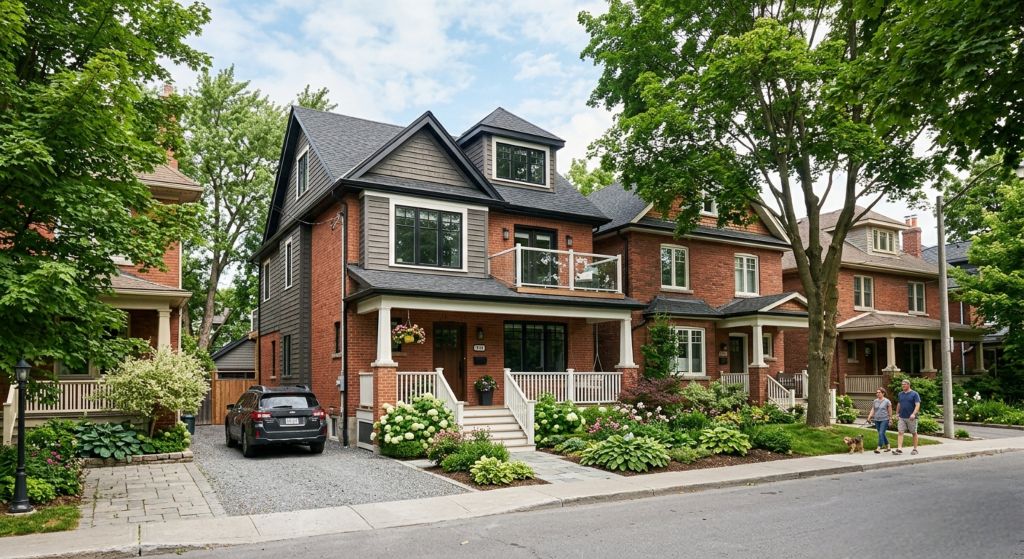
Island Park, Ottawa is a small, established neighbourhood in the city’s west end, built around Island Park Drive, the tree-lined federal parkway that runs from the Ottawa River down toward the Queensway. It sits between Westboro and Wellington Village, a short walk from both main streets, and is best known for the large period homes that line the Drive itself.
For buyers, Island Park offers something rare inside the Greenbelt: substantial houses on generous lots, a parkway setting maintained by the National Capital Commission, and quick access to the river, the O-Train and downtown. For sellers, it is a market where the condition, history and setting of each house matter as much as the square footage. This guide covers where Island Park begins and ends, what the homes are like, what to inspect, and how it compares with the neighbourhoods around it. For the bigger picture of the area, start with the Westboro neighbourhoods guide.
Island Park is in Kitchissippi Ward. Ask three people where it begins and ends and you will get three answers, because the name is used in two ways. In the narrow sense, it means the homes fronting Island Park Drive, which are represented by the Island Park Community Association. In the broader sense used by the Ottawa Neighbourhood Study, “Island Park” covers the area from the Ottawa River south to Highway 417, between Island Park Drive and Holland and Parkdale avenues, which takes in most of Wellington Village.
In practice, most buyers use Island Park to mean the Drive and the streets that open onto it, with Westboro and Hampton Park to the west and Wellington Village to the east. Island Park Crescent, just south of Carling, is part of the same story: it was the original route of the Drive until 1963.
Island Park Drive was built in 1910 by the Ottawa Improvement Commission, the forerunner of today’s National Capital Commission. It was designed as a scenic driveway linking the Ontario shore with the islands in the river between Ottawa and Gatineau, and it became the westernmost crossing to Quebec when the Champlain Bridge connected to it. In the early 1920s, a development agreement set rules for the type of homes that could be built along it, which is a large part of why the Drive still feels so consistent today.
Most of the grand houses went up in waves through the 1920s, the Depression-era 1930s and the 1940s. Styles range from Arts and Crafts and Tudor Revival to Colonial and later modern infill. Over the decades, the street has been home to prominent business families, diplomats and public figures, and several embassies and official residences still sit along it.
Heritage protection is a live topic. When provincial changes to the Ontario Heritage Act forced cities to trim their heritage registers, the City of Ottawa removed thousands of non-designated properties from its register, including homes on Island Park Drive. Residents have since pushed for a heritage conservation district, and the City has been studying one for the Drive. If you are buying with renovation or rebuild plans, confirm the current status with the City’s heritage planning staff before you firm up.
Housing in Island Park falls into a few distinct groups, and they suit very different buyers.
Because the stock is so varied, there is no single “Island Park price.” Two homes on the same block can be worlds apart depending on lot size, renovation history and how much of the original house has been updated. That is why recent comparable sales, read street by street, matter more here than broad averages.
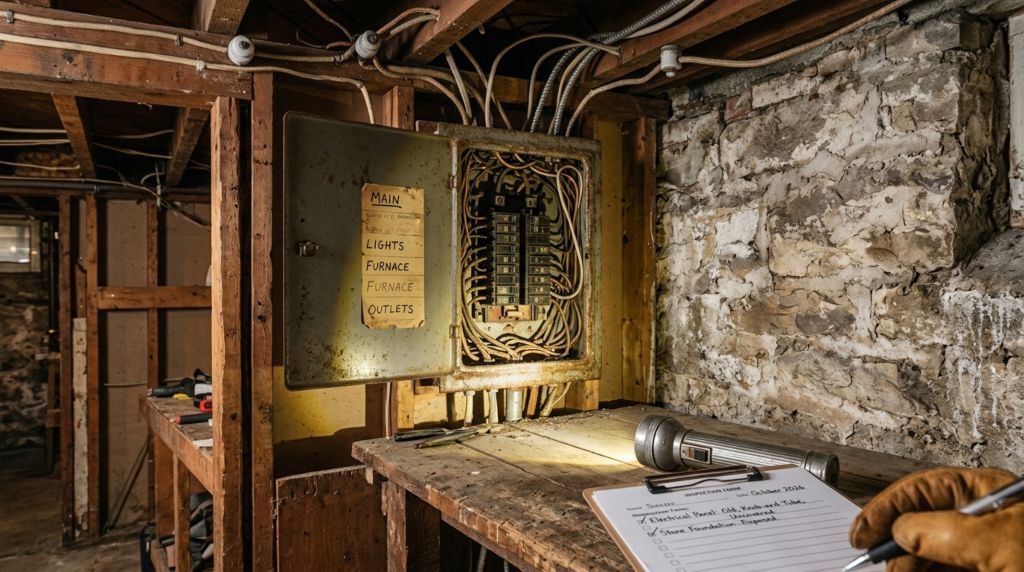
Jason spent years in the construction and electrical trades before becoming a REALTOR®, and older homes like these are where that background is most useful. Before an offer, he looks closely at:
If you plan to add on, rebuild or significantly change the exterior, build the approval process into your timeline. Zoning, tree protection rules and any heritage controls in force at the time can all affect what is allowed. Jason recommends checking with the City before you firm up an offer, so your plans and your price line up.
For current listings and what drives prices on the Drive versus the side streets, see Island Park homes for sale.
Island Park combines a quiet residential feel with very easy access to two of Ottawa’s busiest main streets. Most daily errands are a short walk or bike ride away.
The north end of Island Park Drive meets the Ottawa River and the Kìchì Zìbì Mìkan parkway. From there, the NCC’s riverside pathway runs west past Westboro Beach and east toward LeBreton Flats and downtown, and in winter the area connects to the Kìchì Sìbì Winter Trail. Champlain Park, with its field house and woodlots, sits just to the northeast, and Hampton Park, a large NCC-owned green space with sports fields, is a short walk to the southwest. The Champlain Bridge gives quick access to Gatineau and the trails of Gatineau Park.
Wellington Street West and Holland Avenue, to the east, are lined with independent cafés, restaurants, bakeries and shops, and the Parkdale Market is a short trip away. Westboro Village, to the west, adds grocery stores, outdoor-gear retailers, fitness studios and more restaurants along Richmond Road. For larger shopping trips, Carlingwood Shopping Centre and the stores along Carling Avenue are a few minutes’ drive.
Island Park is a settled neighbourhood. Many owners stay for decades, and some homes have been in the same families for generations. The Island Park Community Association and the neighbouring Wellington Village and Champlain Park associations are active on planning, traffic and heritage issues, which is worth knowing if you are planning any major work.
Island Park is served by both English school boards. Catchments change, so always confirm your address with the Ottawa-Carleton District School Board or the Ottawa Catholic School Board before you buy.
French-language boards and several private schools are also within a short drive. For a full breakdown, see the Westboro schools guide.
Island Park is one of the best-connected residential areas in the west end.
Inventory on the Drive itself is thin, and the best homes do not come up often. Serious buyers should have financing in place, understand Ontario’s land transfer tax and Ottawa’s lack of a separate municipal land transfer tax, and be ready to move when the right house appears. Review your borrowing limits under the federal stress test using the Financial Consumer Agency of Canada’s mortgage guidance. Because so much depends on condition, a thorough home inspection and, where needed, specialist reports on wiring or the sewer line are money well spent.
Buyers working with Jason also have access to his buyer cash back offer on qualifying purchases.
Selling a period home is about telling its story accurately. Buyers at this level want to know what has been updated, when, and by whom. Jason helps sellers assemble permits, receipts and inspection history, decide which repairs are worth doing before listing, and price using the most relevant recent sales rather than area averages. To get a realistic starting point, see what your home is worth, and if you would like to keep more of your equity, read about his 1% listing commission.
Ottawa, Ontario
Ottawa, Ontario
Ottawa, Ontario
Ottawa, Ontario
Ottawa, Ontario
Ottawa, Ontario
These listings cover the board areas that include Island Park, Wellington Village and Westboro North, so you may see homes just outside Island Park itself. For a wider search, see Westboro homes for sale, or ask Jason to set up an alert for homes on and around Island Park Drive.
Island Park sits at the meeting point of several of Ottawa’s most sought-after areas. If you are comparing options, these guides will help:
To see what is available in the area right now, browse Westboro homes for sale, or ask Jason to set up a search for Island Park and the surrounding streets.
Island Park homes reward buyers and sellers who look past the curb appeal. Jason Polonski is a REALTOR® with Right at Home Realty and more than 15 years of experience in Ottawa real estate. Before real estate, he worked in the construction and electrical trades, so he can talk through wiring, foundations and renovation quality with you before you commit, not after. He also holds a Bachelor of Commerce from Concordia University with a double major in Marketing and Finance, which shapes how he prices, markets and negotiates for his clients.
Whether you are buying your first home on the Drive or getting a family home ready to sell, call or text Jason at (613) 601-9333, or send him a message to talk through your plans.
Buying or selling in Westboro? Work with a local Westboro REALTOR®.
Island Park is in Ottawa’s west end, in Kitchissippi Ward, centred on Island Park Drive between the Ottawa River and the Queensway. It sits between Westboro to the west and Wellington Village to the east. Some definitions, including the Ottawa Neighbourhood Study, also include most of Wellington Village under the Island Park name.
Not officially. Island Park Drive is usually treated as the eastern edge of the broader Westboro area, and Westboro’s community association uses Tweedsmuir Avenue as its eastern limit. Many buyers search the two areas together because they share schools, parks and shops.
Island Park Drive is a federal parkway that was built by the Ottawa Improvement Commission in 1910 and is now part of the National Capital Commission’s parkway system. That is why it has a different look and feel from a typical city street.
Protection varies by property. The City removed many non-designated homes from its heritage register after provincial changes to the Ontario Heritage Act, and it has been studying a heritage conservation district for Island Park Drive. Check the current status with the City before planning a major renovation or rebuild.
Focus on the electrical system (including any knob-and-tube wiring), plumbing and the sewer lateral, the foundation and basement moisture, the roof and chimneys, and the quality and permits of past renovations. A sewer camera inspection is worthwhile on lots with large, mature trees.
Elmdale Public School and Hilson Avenue Public School are the main public elementary schools nearby, and St. George is the closest Catholic elementary school. Secondary options include Nepean High School. Always confirm your address with the school board, as catchments change.
Tunney’s Pasture O-Train station is close to the neighbourhood, and downtown is a short drive along Scott Street or the river parkway. The riverside pathway also makes cycling downtown practical for much of the year.