OTTAWA HOME SELLERS
Selling a House With Open or Missing Permits in Ottawa
By Jason Polonski, REALTOR® with Right at Home Realty · Last updated: November 2026 · Client reviews
Can you sell a house with open or missing permits in Ottawa? Yes. Selling a house with open permits or unpermitted work is possible, but it often surfaces late, when the buyer’s lawyer checks City records, and that is the worst time to discover it. Sellers who pull their own permit history before listing can close old permits, legalize work or disclose it and price for it on their own schedule.
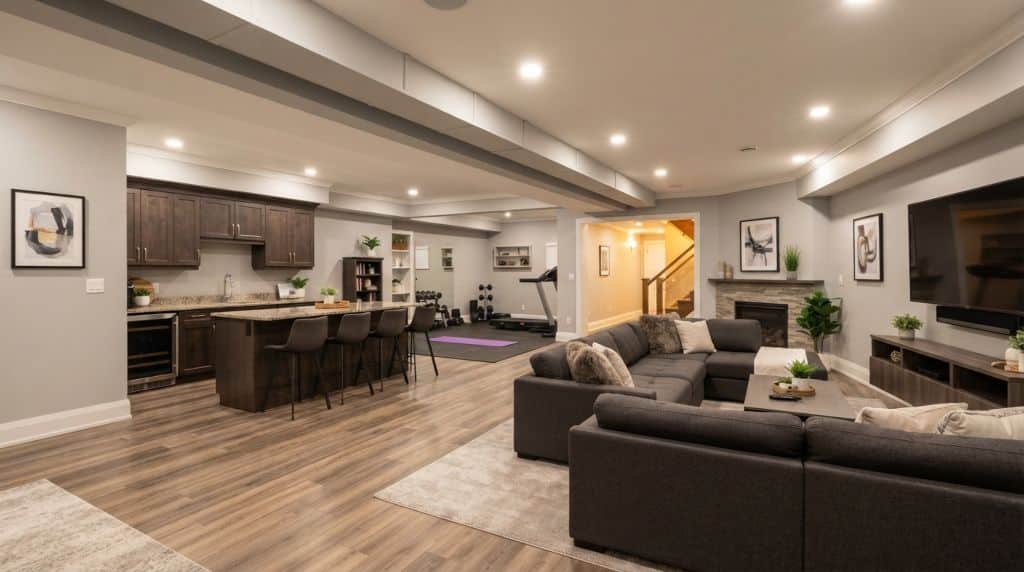
Permit problems are more common than most owners realize. A contractor finished a basement and never booked the final inspection. A previous owner built a deck, moved a wall or added a bathroom without a permit. A basement apartment has been rented for years but was never approved as a legal unit. None of these issues necessarily make a home unsafe, but each one can delay a closing, shake a buyer’s confidence or affect their financing and insurance.
This guide explains the difference between open permits, unpermitted work and outstanding orders, how to check your property’s records in Ottawa, the options for fixing each one, and how to disclose and price what remains. It belongs with the guide to selling an older home in Ottawa, although permit issues turn up in homes of every age. To talk through your situation, call or text Jason Polonski at (613) 601-9333.
Key takeaways
- Open permits, unpermitted work and outstanding orders are three different problems.
- The City’s compliance report shows what a buyer’s lawyer will see.
- Many open permits close with a single final inspection; unpermitted work may need drawings and opening up.
- Describe space as it legally exists, especially basement apartments.
Open Permits, Unpermitted Work and Orders: What’s the Difference?
Buyers, lawyers and the City treat these three situations differently, so it helps to know which one you are dealing with.
Open permits
An open permit is a building permit that was issued but never closed with a final inspection. The work may be finished and perfectly sound, but the City’s file still shows it as incomplete. Open permits are common after renovations where the homeowner or contractor simply forgot to book the last inspection.
Unpermitted work
Unpermitted work is construction that needed a permit but never had one. Common examples in Ottawa include finished basements with new bedrooms or bathrooms, basement apartments, decks above a certain height, additions, removed or altered load-bearing walls, garage conversions and relocated plumbing. Under Ontario’s Building Code Act, construction that requires a permit is not supposed to start without one. The City’s building permit guidance explains which projects need one.
Electrical work without an ESA notification
Electrical work is regulated separately. In Ontario, almost all electrical work requires a notification filed with the Electrical Safety Authority, and a building permit does not replace it. A finished basement can therefore have a closed building permit and still have uninspected wiring.
Outstanding orders
Orders are formal notices issued by the City under the building code, zoning by-law or property standards by-law. An unresolved order is a more serious problem than an open permit because it represents an identified violation, and buyers’ lawyers treat it accordingly.
How Permit Problems Surface During a Sale
Permit issues rarely appear at the showing. They appear when professionals start checking records, which is usually after an offer has been accepted.
The buyer’s lawyer
As part of their title search and requisitions, many buyers’ lawyers request a report from the City on the property’s permit and compliance status. Under the City’s compliance reports by-law, that report can include issued building permits, the status of final inspections and any outstanding orders. If it shows an open permit or an order, the lawyer sends a requisition asking the seller to fix it before closing. Requisitions arrive close to the closing date, which leaves little time to schedule inspections.
The buyer’s inspector
Inspectors notice signs of work done without permits: a basement bedroom without a proper egress window, a bathroom with unusual venting, a deck with undersized framing or a wall that used to be load-bearing. They cannot confirm permits themselves, but they can recommend that the buyer check.
The buyer’s lender and insurer
A lender may hesitate if the value relies on space or rental income that is not legally recognized, such as an unapproved basement apartment. Insurers may ask about renovations, and work that was never inspected can complicate coverage.
Why late surprises cost more
An open permit that could have been closed with one inspection becomes a negotiation once it appears in a requisition. A buyer who discovers unpermitted work after firming up may ask for a holdback, a price reduction or a delayed closing. Finding these issues before you list keeps you in control.
Sell Your Ottawa Home for Just 1% Listing Commission
Why pay 2.5% listing commission to sell your home when you don't have to? Jason Polonski lists Ottawa homes for a simple 1% listing commission. Full MLS® and REALTOR.ca exposure, professional photography, powerful online marketing, expert pricing, and a skilled negotiator fighting for every dollar of your sale price. Top-tier service — you just keep thousands more when your home sells. Smart sellers are already making the switch. Your home deserves the best, and your wallet deserves a break.
How to Check Your Ottawa Property’s Permit History
You can find out most of what a buyer’s lawyer will see before you list. The City offers two useful services.
Compliance summary report
The City’s compliance summary report provides information on issued building permits, the status of occupancy permits and final inspections, and any outstanding orders or complaints under the building code, zoning by-law or property standards by-law. The City notes that these reports are typically requested because of a possible sale or refinancing, which is exactly the situation you are in. The services and fees are set out in the City’s compliance reports by-law.
Access to building permit records
As the current owner, you can also request copies of permit applications, permits, plans, inspection reports and occupancy permits through the City’s Access to Building Permit Records program. These documents show what was approved and inspected, which is useful when the work was done before you bought the house.
Your own files
Gather contractor invoices, permit cards, inspection stickers, ESA Certificates of Acceptance and anything your own purchase lawyer received when you bought the home. Then compare what was done to the house with what the records show. Any gap is a question a buyer may ask.
Do this before listing
Requesting records takes time, and so does booking inspections or preparing drawings. Starting several weeks before listing gives you room to act. It also lets your agent describe the home accurately, including whether a basement unit is legal, a detail that matters to buyers looking at rental income.
Get Cash Back When You Buy a Home in Ottawa
Can you get cash back when buying a home in Ottawa? Yes. Jason Polonski, a Chairman's Club REALTOR® serving Ottawa and Kanata, shares part of his commission with buyers — up to $3,000 cash back at closing.* You still get full-service, award-winning representation: expert pricing, sharp negotiation, and hands-on guidance from first showing to keys in hand. No cut corners and no rebate-only shortcuts — just real money back in your pocket when you buy your Ottawa or Kanata home.
How to Fix Open Permits and Unpermitted Work
The right fix depends on what the records show and how much time you have before you sell.
Closing an open permit
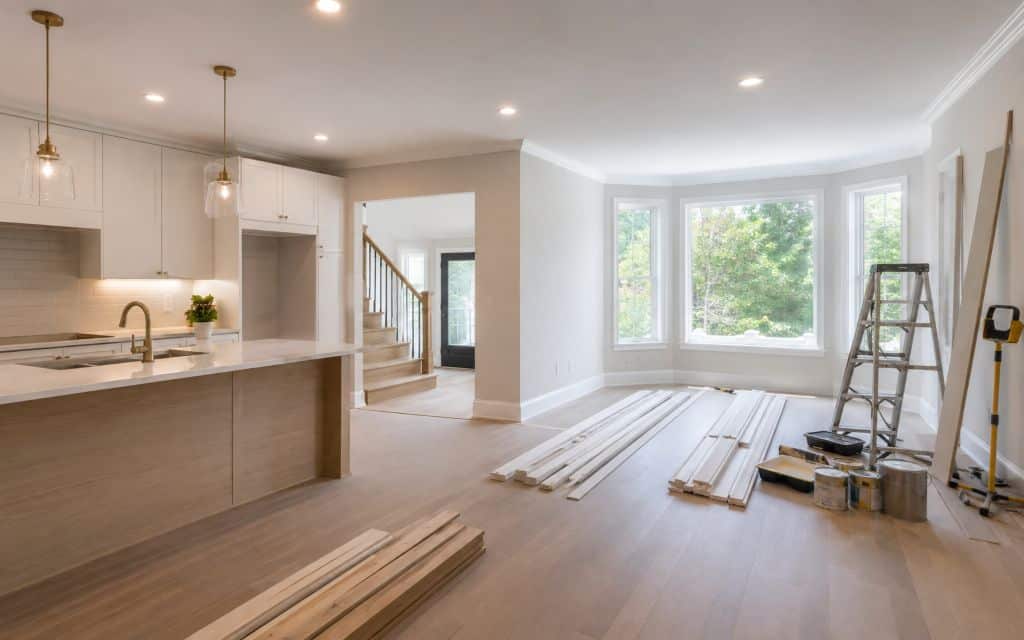
If the work was completed as approved, closing an open permit may only require booking the final inspection. If the inspector needs to see something now covered by drywall, or if the work differs from the approved plans, expect a little more effort: revised drawings, a small amount of opening up, or an engineer’s letter. Once the permit is closed, keep the record with your listing documents.
Legalizing unpermitted work
Work done without a permit can often be brought into compliance by applying for a permit after the fact. That usually means preparing drawings of what was built, and the inspector may need to see framing, plumbing or insulation to confirm it meets the building code. Depending on the project, some drywall may have to come off. Electrical work requires its own path through the Electrical Safety Authority with a Licensed Electrical Contractor.
For basement apartments in particular, legalizing the unit can add significant value for buyers who want rental income, but it involves requirements for things like fire separation, exits and ceiling heights. The guides to secondary dwelling units in Ottawa and adding a basement apartment explain what is involved.
Removing or reversing work
Occasionally, the simplest fix is to remove the work, for example a second kitchen in a basement that was never approved. That avoids misrepresenting a unit that is not legal, but it also removes a feature some buyers value. Talk it through before taking anything out.
Disclosing and pricing
If time is short or legalizing would be impractical, disclose the work, provide what records you have and price the home on the basis that the buyer is taking on the issue. That is covered in more detail below.
Permit problems at a glance
| Issue | Typical fix | Time to plan for |
|---|---|---|
| Open permit, work done as approved | Book the final inspection | Short, depending on inspection availability |
| Open permit, work changed from plans | Revised drawings, then inspection | Longer; may need some opening up |
| Work done without a permit | Apply for a permit for existing work, with drawings | Weeks or more; plan before listing |
| Electrical work without ESA notification | Licensed Electrical Contractor files and arranges inspection | Depends on access to wiring |
| Outstanding City order | Resolve the order with the City | Varies; involve your lawyer early |
Disclosure, Lawyers and Protecting the Closing
Permit issues sit at the intersection of real estate and law, so this is an area to involve your real estate lawyer early, ideally before you sign a listing agreement. Your lawyer can tell you how the issue is likely to appear in the buyer’s requisitions and how to respond. If you need one, the Law Society of Ontario offers a referral service, and the guide to choosing an Ottawa real estate lawyer explains what to look for.
Be accurate about the space
Describe the home as it legally exists. If a basement suite is not a legal unit, do not market it as one. If a basement bedroom lacks a proper egress window, do not count it as a bedroom without explanation. Misdescribing space is one of the fastest ways to turn a permit question into a legal dispute.
Answer questions honestly
If you know about unpermitted work, answer questions about it truthfully and provide the documents you have. Ontario’s regulator, RECO, publishes guidance on seller responsibilities, and the guide to what to disclose when selling a home in Ottawa explains how disclosure works in practice.
Title insurance is not a cure-all
Buyers often have title insurance, and some policies cover certain losses related to permits or work orders. Coverage varies, and many buyers and lawyers still prefer the issue resolved before closing. Do not assume title insurance will make a permit question disappear.
Pricing and Marketing a Home With Permit Issues
Pricing depends on what the issue is and whether it is resolved. A closed permit and documented work have no price effect at all. A disclosed open permit with a clear plan to close it usually has a small one. Significant unpermitted work, especially a basement apartment or structural changes, can affect value meaningfully, because a buyer is taking on cost, time and uncertainty.
When you price, compare the home with similar properties based on its legal status, not its current use. A finished basement that cannot be documented may still add living space a buyer values, but a rental suite that is not legal should not be valued as income. A thorough home value assessment should make those distinctions clear.
Presenting it to buyers
Share the City report, your documents and your plan with serious buyers’ agents early, preferably before offers. When the information is on the table from the start, buyers price it into their offer instead of using it to renegotiate after the inspection.
Common mistakes
- Assuming a contractor closed the permit.
- Marketing an unapproved basement apartment as a legal unit.
- Forgetting that electrical work needs its own ESA inspection.
- Waiting for the buyer’s lawyer to find the issue days before closing.
- Starting a retroactive permit too late to finish before the closing date.
If you are weighing whether to finish, legalize or simply price for work, the guide to whether to renovate before selling helps frame the decision.

Posted on Google 

Jennifer Clark
10 days ago
 Trustindex verifies that the original source of the review is Google.
His availability to communicate was incredible which is so important when selling a house. Great at everything else too.
Posted on Google

Aarushi Govil
21 days ago
Trustindex verifies that the original source of the review is Google. Working with Jason has been an absolute privilege from start to finish. Finding the right realtor can be daunting, but Jason exceeded every expectation. He is remarkably knowledgeable and was extremely punctual and responsive to every question or request we had, no matter the time or the day. What stood out most was his complete sincerity and zero-pressure approach. When we walked through houses, he was transparent, pointing out both the pros and potential red flags instead of trying to make a quick sale. His honest feedback gave us complete confidence in our decision. If you want a dedicated, honest, and highly skilled agent in your corner, look no further than Jason!
Posted on Google

Joe Ireland
35 days ago
Trustindex verifies that the original source of the review is Google. Jason helped me buy my first home.
He was extremely responsive and available from our very first call, and assisted with booking multiple viewings across Ottawa.
He was punctual to every viewing and honest with his feedback with the homes we saw, and when it came time to go from viewing to buying, he had an impressive array of contacts from brokers to inspectors to lawyers, all with excellent reviews and who were great to work with in their own right.
As a first-time home buyer, his responsiveness and patience with many questions were extremely reassuring and really streamlined the process, and I signed an offer on my home within just 2 weeks of meeting him.
I would strongly recommend Jason to anyone buying a home in Ottawa, especially to those who are strangers to the process like I was.
Thank you again, Jason!
Posted on Google

Marina
65 days ago
Trustindex verifies that the original source of the review is Google. We had a wonderful experience working with our realtor - Jason Polonski. He is a professional, knowledgeable, responsive, and truly attentive to our needs. Jason guided us through every step of the process, answered all of our questions. My family are very grateful for his work and would absolutely recommend him to anyone looking for a reliable and trustworthy realtor in Ottawa and around !
Posted on Google

Vatrul “Vatrul”
69 days ago
Trustindex verifies that the original source of the review is Google. First time home seller. Every process of the journey was explained and laid out perfectly.. Very highly recommended.. thank you Jason..
Posted on Google

Olga V.
70 days ago
Trustindex verifies that the original source of the review is Google. Jason is very knowledgeable realtor in Kanata. He’s been always good beyond to help his clients. We had a place experience buying a house in Kanata. I highly recommend him.
Posted on Google

Yuri Tsouker
77 days ago
Trustindex verifies that the original source of the review is Google. Working with Jason on the sale of my property was genuinely one of the smoothest professional experiences I've had. He was responsive at every step, patient with every question (and I had many), and he clearly knew the local market inside and out.
My sale wasn't a simple one — there was a tenant, a rental water heater, a plumber to coordinate, and plenty of complications that made this a genuinely difficult case. Jason handled all of it with calm, practical advice and always got back to me quickly, often with a solution before I even finished asking about the problem.
What stood out most was his honesty. He didn't push, he didn't overpromise, and every recommendation he made turned out to be exactly right. I felt like I had a professional in my corner from day one.
If you're looking for a realtor who is knowledgeable, responsive, and genuinely trustworthy, I can't recommend Jason highly enough. Thank you, Jason — much appreciated!
Posted on Google

Denis Pepin
101 days ago
Trustindex verifies that the original source of the review is Google. Outstanding Experience with Jason Polonski!
Last May, my wife and I sold our home in Stittsville with Jason Polonski, and we couldn't be happier with our decision. Jason made the entire process remarkably smooth and stress-free.
From day one, Jason stood out for his exceptional communication. He was always prompt and available to answer our queries—often within minutes—no matter the time of day. Whenever we had questions regarding paperwork, listing strategies, or handling property details, he addressed every concern with a truly genuine, human touch.
What impressed us most was how proactive and reassuring he was at every step. When we had to coordinate the buyout of our water heater rental, Jason handled the reimbursement seamlessly, reassuring us with, "We should have a smooth sale now. :)"—and it truly was! Even post-closing, when we needed to arrange delivery for mailbox keys or track down final funds from head office, Jason stayed on top of every detail, putting a rush on things and constantly keeping us updated.
Jason is a dedicated, attentive, and highly professional realtor who genuinely cares about his clients. It has been an absolute pleasure working with him, and we highly recommend Jason Polonski to anyone looking to buy or sell a home in the Ottawa region.
Posted on Google

Tammy Puhakka
110 days ago
Trustindex verifies that the original source of the review is Google. I highly recommend Jason Polonski, a realtor in Kanata, Ottawa. He truly went above and beyond for me. During a long weekend, he called me and, within just two hours, had an offer to purchase prepared and sent so I could secure the home I had found and fallen in love with.
Jason was professional, efficient, knowledgeable, and incredibly pleasant to work with. His rates are very reasonable, and his dedication to his clients is outstanding. If you’re looking for fast, reliable, and friendly service, I would absolutely recommend contacting him.❤️
Posted on Google

Joe Melindy
115 days ago
Trustindex verifies that the original source of the review is Google. Everything went smoothly. Jason is very good at what he does. Would highly recommend. Thanks Jason 😊
Selling a House With Open Permits With Jason Polonski
Jason Polonski is a full-time REALTOR® with Right at Home Realty who has worked in Ottawa real estate for more than 15 years, helping hundreds of buyers and sellers across Kanata, Nepean, Barrhaven, Stittsville and the rest of the city. Before real estate, he worked in the construction and electrical trades and holds a technical diploma in construction electricity, so he recognizes renovation work that is likely to raise permit questions and helps sellers check records, close permits or plan disclosure before the house is listed, not days before closing. He also earned a Bachelor of Commerce from Concordia University with a double major in Marketing and Finance, which shapes how he weighs the cost of legalizing work against its effect on price. His 1% Listing Commission leaves more of the sale with you. Call or text Jason at (613) 601-9333, or read his Google reviews.
For the full selling process, see the guide to selling your house in Ottawa.
Selling a House With Open or Missing Permits (FAQs)
Yes. An open permit does not stop a sale, but the buyer’s lawyer will often ask for it to be closed before closing. Booking the final inspection before listing is usually the simplest way to avoid a last-minute delay.
Request a compliance summary report from the City of Ottawa. It shows issued building permits, the status of final inspections and any outstanding orders. As the owner, you can also request copies of permits, plans and inspection reports through the City’s building permit records program.
If you knew about unpermitted work and did not answer questions about it honestly, the buyer may have a claim after closing. If you know about it before you list, disclose it, provide your documents and speak with a real estate lawyer about how to handle it.
Often, yes. The City may accept an application for work already completed, usually with drawings, and the inspector may need to see parts of the construction to confirm it meets the building code. Some opening of finishes may be required.
Some title insurance policies cover certain losses related to permits or work orders, but coverage varies. Many buyers and lawyers still want the issue resolved before closing, so do not rely on title insurance as your plan.
Only if it was approved as a secondary dwelling unit with the required permits and inspections. Rental use alone does not make it legal. Check the City’s records before describing the space as a legal unit in your listing.
Yes. Electrical work in Ontario requires a notification filed with the Electrical Safety Authority, separate from a building permit. A Licensed Electrical Contractor can help bring uninspected work into compliance.
