OTTAWA REAL ESTATE
Real Timeline for Building a New Home in Ottawa
Timeline for Building a New Home in Ottawa
If you’ve been researching new construction, you’ve likely seen occupancy estimates that range from “12 months” to “3 years” — sometimes on the same builder’s website. Both figures can be accurate depending on what’s counted and at what stage a buyer entered the process. What most buyers don’t see is everything that happens before ground is broken, and what quietly adds months between signing and keys. This guide walks through the real timeline for building a new home in Ottawa, with the local factors that make Stittsville, Kanata, and the surrounding area different from what a national guide will tell you.

The Pre-Construction Phase: Longer Than Most Buyers Expect
The clock doesn’t start when construction starts. It starts the moment a buyer decides to build, and in Ottawa, that decision triggers a sequence that typically takes three to six months before a shovel touches the ground.
Buyers purchasing into a builder’s community, such as the growing developments along Fernbank Road in Stittsville or in Barrhaven’s south end, begin with a lot reservation and a purchase agreement review. This is not a step to rush. New-build contracts in Ontario are complex documents that outline price, permitted delays, upgrade selections, deposit milestones, and the Tarion addendum governing statutory warranty rights under the Ontario New Home Warranties Plan Act.
Most buyers spend two to four weeks in this review period, ideally alongside an Ottawa real estate lawyer and a buyer’s agent who understands buying a new build home in Ottawa. Pre-construction purchases typically require a total deposit of around 20% of the purchase price, structured as an initial deposit at signing followed by instalments at scheduled milestones, committed well before mortgage financing is arranged. Buyers carrying rent or an existing mortgage during construction need to plan that cash flow carefully.
After the agreement is firm, the builder spends several months finalizing engineering drawings, filing for building permits, and completing subdivision requirements. Understanding whether a REALTOR® is worth having for new construction matters most during this stage, since the purchase agreement is where a buyer’s interests and a builder’s interests most often diverge.
Choosing a Builder and Community
Ottawa’s new-home market spans everything from large production builders working across Kanata, Stittsville, and Barrhaven to custom builders working on rural lots in Carp and Dunrobin. Each builder runs its own sales, design, and construction process, and timelines can vary meaningfully between them, even for similar house models.
Comparing builders side by side before signing is one of the more overlooked steps in timeline planning. A production builder with several active communities may move faster simply because trades are already sequenced across dozens of lots, while a smaller custom builder may offer more flexibility but a longer runway. The Ottawa new home builders directory is a useful starting point for comparing builders active in the region.
For buyers focused specifically on the Kanata area, reviewing current new homes for sale in Kanata alongside builder timelines helps set realistic expectations before a deposit is placed. Community choice affects not just lifestyle but the pace of construction itself.
Sell Your Ottawa Home for Just 1% Listing Commission
Why pay 2.5% listing commission to sell your home when you don't have to? Jason Polonski lists Ottawa homes for a simple 1% listing commission. Full MLS® and REALTOR.ca exposure, professional photography, powerful online marketing, expert pricing, and a skilled negotiator fighting for every dollar of your sale price. Top-tier service — you just keep thousands more when your home sells. Smart sellers are already making the switch. Your home deserves the best, and your wallet deserves a break.
Design Selections and Upgrade Appointments
Most buyers underestimate how much of their own time a new build consumes in the middle of the process. Once the purchase agreement is firm, the builder schedules a design appointment, often called a décor centre visit, where buyers choose flooring, cabinetry, countertops, exterior finishes, and structural upgrades. Builders active in Ottawa each run this process somewhat differently, but virtually all of them work within a defined selection window.
Miss that window, and the builder assigns standard finishes. Make changes after it closes, and a change order fee applies, sometimes running into the thousands of dollars. This design period typically takes place two to six months after signing and adds a real scheduling demand on the buyer’s own calendar, particularly for structural options like a walkout basement or a secondary suite, which often close out earlier than buyers expect.
This is also where an upgrade budget can drift significantly. Builder base prices are attractive on the surface, but a fully finished basement, an upgraded kitchen, and an additional bathroom can add tens of thousands of dollars to the final cost. Building that into a financing plan before sitting down at the décor centre, rather than after, avoids a difficult conversation later.
Get Cash Back When You Buy a Home in Ottawa
Can you get cash back when buying a home in Ottawa? Yes. Jason Polonski, a Chairman's Club REALTOR® serving Ottawa and Kanata, shares part of his commission with buyers — up to $3,000 cash back at closing.* You still get full-service, award-winning representation: expert pricing, sharp negotiation, and hands-on guidance from first showing to keys in hand. No cut corners and no rebate-only shortcuts — just real money back in your pocket when you buy your Ottawa or Kanata home.
Breaking Ground: The Active Construction Timeline
Active construction, from breaking ground to occupancy, generally runs 8 to 24 months depending on the type of home. Simpler production builds tend toward the shorter end, while complex custom homes typically run longer.
For production homes in communities across Stittsville, Barrhaven, or Kanata, where builders construct multiple units on adjacent lots using standardized plans, the active build tends to run at the shorter end of that range because trades are already sequenced efficiently across several homes at once. Custom homes on rural lots in Carp, Dunrobin, or Constance Bay follow a different, less predictable schedule.
Seasonal weather shapes Ottawa’s construction schedule more than buyers from milder climates expect. Foundation work and concrete pours are weather-dependent, and a builder breaking ground in late fall faces a real chance of a concrete delay before frost sets in, which can push framing into late winter. A spring groundbreak generally offers better sequencing, since Ottawa’s driest, most tradeswork-friendly months tend to fall between late spring and early fall.
Key construction milestones, each tied to an inspection, include foundation, framing, pre-drywall rough-in of electrical, plumbing, and HVAC, insulation, and final occupancy. Every inspection requires a visit from the City of Ottawa’s Building Standards team, and a failed or rescheduled inspection adds days to the overall timeline. Skilled subtrades such as electricians and HVAC installers routinely book out ahead of schedule in a busy building market, and a delay with one trade tends to cascade into the next one’s slot.
Buyers considering rural property should also account for well drilling, septic approval, and entrance permits from the County, each of which can add several weeks and is sensitive to weather and soil conditions.
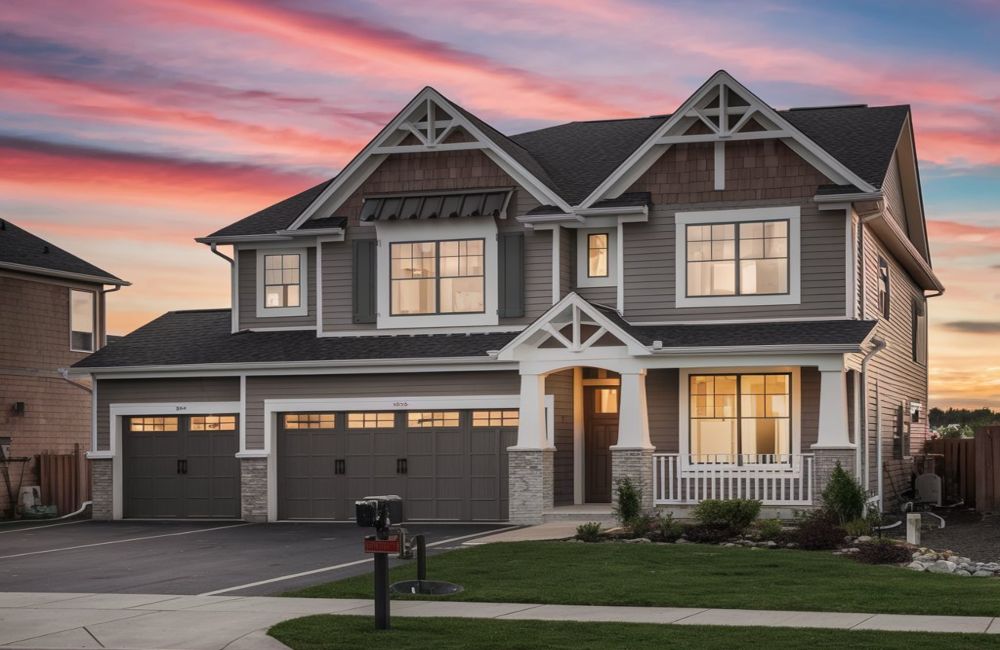
The Tarion Warranty Timeline and Your Move-In Plan
Ontario buyers of new construction are protected by mandatory warranty coverage administered by Tarion, and understanding how this framework intersects with an occupancy timeline matters more than most buyers realize.
Tarion coverage runs in defined windows: one year for workmanship and materials, two years for building envelope systems, and seven years for major structural defects. Coverage begins on the date of possession, not the date the agreement was signed and not the date construction finished. That distinction matters when planning a move, because protection only starts once the keys are actually in hand.
The two-year window covers water penetration through the basement or foundation walls, defects in materials affecting the building envelope, and violations of the Ontario Building Code affecting health and safety. Ottawa’s freeze-thaw cycle makes foundation and drainage performance particularly important, and lot grading completed too late in the season to settle before winter is a common cause of basement moisture appearing in year two. A full walkthrough of Tarion warranty coverage in Ottawa covers what is and isn’t included in more detail.
Before taking possession, buyers are entitled to a Pre-Delivery Inspection with the builder, the formal walkthrough before the home is legally theirs. Bringing a checklist, testing every outlet, running every tap, and documenting anything incomplete on the PDI form matters because what isn’t recorded there is much harder to claim later.
Closing Costs and Realistic Total Timelines by Home Type
Closing costs on a new build extend well beyond what resale buyers typically budget for. They generally include HST net of the new home rebate where applicable, Tarion enrolment and Home Construction Regulatory Authority fees, utility connections, landscaping, driveways, development charges, and legal fees, and they are due at closing rather than at signing. Buyers who plan their savings around the purchase price alone often find themselves scrambling in the final weeks before possession.
New-build condominiums follow a different model again. Condo buyers typically receive interim occupancy before the building is registered as a condominium corporation, paying an occupancy fee to the builder while the mortgage doesn’t fund until final closing, which can create real cash flow pressure for buyers also carrying a lease or an existing home during the wait.
Putting the phases together, here is a realistic planning range for buyers weighing new construction against resale in Ottawa:
| Home Type | Realistic Timeline (Signing to Occupancy) |
|---|---|
| Production townhome or semi-detached (Stittsville, Barrhaven, Kanata) | 18–24 months |
| Custom single-family home on a serviced urban lot | 24–30 months |
| Custom home on a rural lot (Carp, Dunrobin) | 30–36 months |
| Pre-construction condominium with interim occupancy | 36–48 months |
Buyers exploring what’s currently available can review new construction homes in Ottawa to see how current listings compare to these planning ranges. For a broader context, CMHC’s resources for new home buyers, CREA’s housing market statistics, and Statistics Canada’s building permit data are worth reviewing for the broader trends behind Ottawa’s construction activity. The City of Ottawa’s building permit and development charge information remains the authoritative source for current fees and conditions, and the city’s Housing Acceleration Plan update outlines measures aimed at shortening approval timelines going forward.

Working With Jason Polonski on Your Ottawa New Build
Builder sales representatives work for the builder. That’s not a criticism; it’s simply the structure of the transaction, and it’s exactly why an independent REALTOR® reviewing the purchase agreement, upgrade decisions, deposit structure, and occupancy timing on the buyer’s behalf makes a meaningful difference.
Jason Polonski has spent more than 15 years working in the Ottawa real estate market, with a technical background in construction that brings genuine contract and site literacy to new-build transactions most buyers don’t have on their own. He works regularly with buyers across Kanata, Stittsville, Barrhaven, and the surrounding rural west end, from production townhomes to custom builds on serviced and unserviced lots.
Jason Polonski is a multi-award-winning Ottawa REALTOR® with Right at Home Realty, recognized as Best in Ottawa – Top REALTOR® for seven consecutive years and the Canadian Choice Award winner for Best REALTOR® in Kanata and Ottawa in 2025. Buyers planning a new build who want to understand what the timeline means for their specific situation can reach Jason directly at (613) 601-9333.
Real Timeline for Building a New Home (FAQs)
The average timeline for building a new home in Ottawa is typically 10 to 18 months from signing the purchase agreement to final possession. The timeline depends on factors such as builder workload, permit approvals, weather, material availability, and whether the home is fully custom or part of a production development.
The first step is choosing a builder, neighbourhood, and lot. Buyers then select the home model, floor plan, upgrades, and finishes before signing the purchase agreement and submitting deposits.
Common delays include permit approval issues, labour shortages, weather conditions, supply chain disruptions, inspection delays, and unexpected construction challenges. Winter weather in Ottawa can sometimes slow excavation, foundation work, and exterior construction.
Permit timelines can vary depending on the project type and complexity. In many cases, permit approvals may take several weeks to a few months before construction can begin.
Most builders allow scheduled walkthroughs at certain construction stages, such as framing, pre-drywall, and final inspection. Safety rules usually prevent unrestricted access to the construction site.
The major stages include:
- Lot preparation and excavation
- Foundation work
- Framing
- Roofing and exterior installation
- Plumbing, electrical, and HVAC
- Insulation and drywall
- Interior finishes and flooring
- Final inspections and closing preparation
Yes. Fully custom homes generally take longer because they involve custom architectural plans, additional approvals, unique materials, and more complex construction schedules compared to standard builder models in subdivisions.
Pre-construction homes allow buyers to customize layouts and finishes, but they require patience due to longer timelines and potential delays. Move-in-ready homes offer faster possession and more certainty but usually provide fewer customization options.