Selling your home in Carp means marketing a rural-village lifestyle as much as a property. Larger lots, a walkable village core, and easy access to the Ottawa River valley draw a buyer pool that behaves differently from the rest of west Ottawa, and pricing or presenting a Carp property like a standard subdivision listing usually leaves value on the table. This guide covers the current Carp market, how to prepare a rural or village home to show well, pricing strategy, marketing approaches that reach the right buyers, and what to expect through negotiation and closing.
It draws on the day-to-day pattern of showings, offers, and closings across Carp and the wider West Carleton area. Whether the property is a century home in the village or an acreage on the outskirts, the fundamentals below apply.

Understanding the Carp Real Estate Market
Carp sits within the City of Ottawa’s West Carleton ward, blending an historic village core with surrounding rural and estate properties. The market draws buyers who want more land and a slower pace without giving up a manageable commute to Kanata or downtown Ottawa. Detached homes on larger lots, bungalows, and century homes near the village make up much of the inventory, and each type tends to attract a different type of buyer.
National price and sales trends reported through REALTOR.ca give useful context for where the broader Ottawa market is heading, but Carp’s own supply is thin enough that individual property condition and lot size often matter more than a citywide average. CMHC’s research on housing supply outside major urban cores also points to sustained demand for exactly this kind of property, which lines up with Carp’s steady buyer interest over the past several years.
Families are often drawn to the community by its schools, parks, and open space — Carp Public School and West Carleton Secondary School serve the area, and Carp Memorial Park adds nearby green space for young families. Professionals weigh the commute into Kanata’s tech corridor or downtown Ottawa against the trade-off of small-town living. Retirees and downsizers lean toward bungalows and lower-maintenance properties close to the village, and many value the community feel that comes with the Carp Farmers’ Market and a smaller population base.
A closer look at current listings and recent activity is available through the Carp real estate complete guide, and browsing Carp homes for sale is the fastest way to see what’s actually competing with a specific property today. Sellers curious about what’s drawing buyers to the community in the first place can also read 7 reasons to buy a home in Carp.
Preparing Your Carp Home to Sell
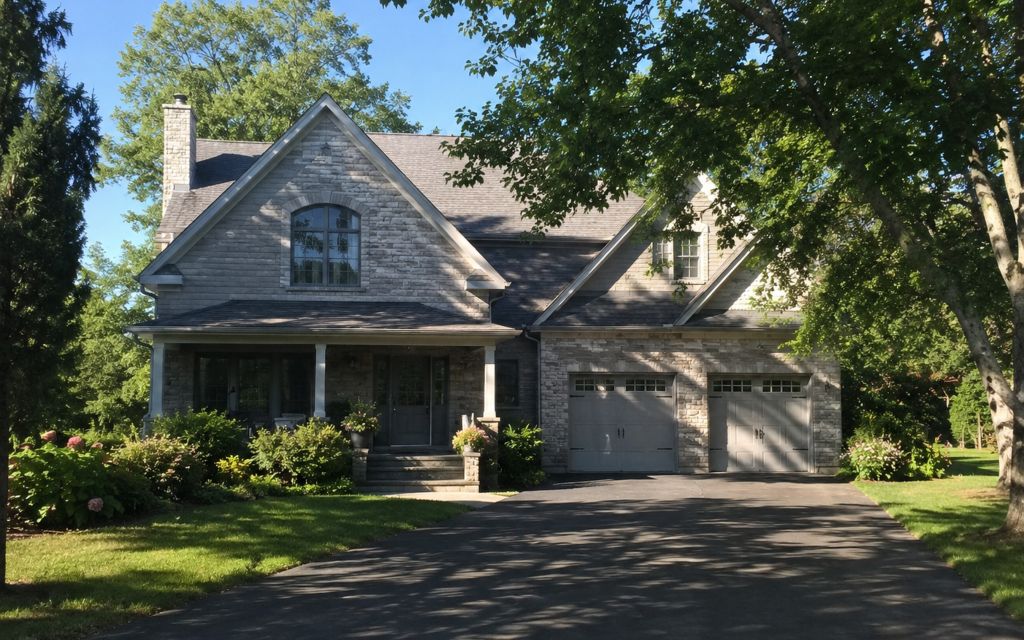
First impressions still decide most of the outcome, and rural and village properties in Carp face a slightly different bar than a subdivision home in Kanata. Curb appeal matters even more on a larger lot — a freshly mowed lawn, tidy landscaping, and a well-maintained driveway or laneway go a long way toward setting buyer expectations before they step inside.
Staging should lean into what a Carp property actually offers rather than trying to make it look like a suburban home. Opening up sightlines to a backyard, deck, or treed lot, and keeping outbuildings, sheds, or workshops tidy, signals that the property has been cared for. Any home with a private well or septic system should have recent service and testing records on hand, since these systems draw frequent buyer questions in rural sales, and Health Canada’s guidance on private drinking water wells outlines what a thorough test should cover.
Minor repairs matter too. Sticking doors, dated light fixtures, and worn caulking are inexpensive fixes that buyers notice immediately, and addressing them ahead of listing photos avoids giving a buyer a reason to negotiate down before they’ve even made an offer.
Sell Your Ottawa Home for Just 1% Listing Commission
Why pay 2.5% listing commission to sell your home when you don't have to? Jason Polonski lists Ottawa homes for a simple 1% listing commission. Full MLS® and REALTOR.ca exposure, professional photography, powerful online marketing, expert pricing, and a skilled negotiator fighting for every dollar of your sale price. Top-tier service — you just keep thousands more when your home sells. Smart sellers are already making the switch. Your home deserves the best, and your wallet deserves a break.
Pricing a Carp Home Strategically
Pricing in Carp is less about following a single ward-wide average and more about anchoring to genuinely comparable sales — similar lot size, age, and access to municipal versus private services. A proper comparative market analysis draws on recent closed sales rather than active listings, since asking prices don’t reflect what buyers actually agreed to pay.
Location within Carp affects value more than it would in a denser neighbourhood. Homes near the village core, close to shops and the Carp Farmers’ Market, often price differently than acreages further out that trade more on land and privacy than walkability. Borrowing conditions matter too — the Bank of Canada’s policy interest rate directly affects how many buyers can qualify at a given price point, and a rate announcement can shift how a property should be positioned within days.
Working with a REALTOR® who tracks Carp and West Carleton sales specifically, rather than relying on citywide statistics, gives a far more accurate read on where a property should be priced to attract offers without leaving money on the table.
Get Cash Back When You Buy a Home in Ottawa
Can you get cash back when buying a home in Ottawa? Yes. Jason Polonski, a Chairman's Club REALTOR® serving Ottawa and Kanata, shares part of his commission with buyers — up to $3,000 cash back at closing.* You still get full-service, award-winning representation: expert pricing, sharp negotiation, and hands-on guidance from first showing to keys in hand. No cut corners and no rebate-only shortcuts — just real money back in your pocket when you buy your Ottawa or Kanata home.
Marketing Strategies for Selling Your Home in Carp
Professional photography is non-negotiable for a property where lot size, outdoor space, and setting are often the strongest selling features. Wide shots that show the home in relation to its surroundings — trees, gardens, water features, or open fields — tend to perform better for Carp listings than tight interior shots alone.
Listings need to reach buyers who are already searching outside the city core, not only within Ottawa proper. That means targeted online advertising aimed at people looking for rural and village properties, alongside standard MLS exposure through REALTOR.ca. Weekend open houses tend to work well in Carp, and staging them around the season — a fire pit set up in fall, garden colour in spring — reflects the lifestyle buyers are actually shopping for.
A local Carp REALTOR® who understands this buyer pool can also tap into a network of past Carp and West Carleton clients, which often surfaces interest before a listing goes fully public.
Negotiating Offers and Closing on a Carp Sale
Once offers start coming in, the terms matter as much as the price. Closing date, included chattels, and any conditions around financing or inspection can all change the real value of an offer, and a REALTOR® reviews each one against recent comparable sales and the seller’s own timeline before recommending a response.
A real estate lawyer should review the final agreement before signing, and confirming financing and inspection conditions early helps avoid delays later in the transaction. The Financial Consumer Agency of Canada publishes a useful breakdown of typical closing costs, which helps with budgeting for legal fees, mortgage discharge fees, and tax adjustments. Sellers working with a licensed salesperson are also protected under rules set by the Real Estate Council of Ontario, which regulates how offers, disclosures, and representation are handled throughout a transaction.
Property tax and ward-specific municipal service details for Carp are set through the City of Ottawa, and sellers can confirm current figures through Ottawa’s property tax information before finalizing their pricing and net proceeds expectations.
Typical Stages of Selling in Carp
| Stage | What to Expect |
|---|---|
| Pre-listing prep | Decluttering, curb appeal work, minor repairs, well/septic records gathered |
| Pricing and listing | CMA completed, professional photography scheduled, home listed on MLS via REALTOR.ca |
| Showings and open houses | Private showings and weekend open houses, staged around the season |
| Offers and negotiation | Offers reviewed, counteroffers exchanged, financing and inspection conditions negotiated. |
| From firm sale to closing | Lawyer review, mortgage discharge arranged, adjustments calculated, keys exchanged on closing day |
What Draws Buyers to Carp
Carp’s appeal comes down to space and community without losing connection to the rest of Ottawa. The Carp Farmers’ Market draws visitors from across the region and reinforces the village’s reputation as a food and community destination, which is worth highlighting to buyers who value that kind of local culture.
Nature access is another strong draw — proximity to trails, green space, and the Carp River appeals to buyers looking for an active, outdoor lifestyle close to home. Sellers who understand which buyer type their property suits — a family wanting space and schools, a retiree wanting a manageable bungalow, or a professional wanting a quieter, commute-friendly setting — can tailor showings and marketing language accordingly.
For a broader sense of what’s motivating people to relocate to the area, moving to Carp and the Carp neighbourhood guide cover the lifestyle side of the market in more depth, which can help frame how a listing is written and marketed.

About Jason Polonski, Your Carp Real Estate Guide
This guide reflects patterns Jason Polonski has seen firsthand across more than 15 years working in Ottawa’s west-end and rural markets, including Carp, Kanata, Stittsville, and the wider West Carleton area. Jason is a REALTOR® with Right at Home Realty and holds a Bachelor of Commerce in Marketing and Finance from Concordia University, along with a technical background in construction and electrical work — a practical lens for evaluating rural and estate properties with wells, septic systems, and older mechanical components.
Jason works with sellers across Carp’s mix of century homes, bungalows, and acreages, and is available seven days a week to walk through pricing, preparation, and timing questions specific to a property. Sellers weighing next steps can reach Jason directly at (613) 601-9333.
Selling Your Home in Carp (FAQs)
Timelines vary by property type and price point, but rural and village listings in Carp can take longer to sell than homes in denser Ottawa neighbourhoods simply because the buyer pool is smaller. Accurate pricing from day one and professional photography ready at launch are the two biggest levers for reducing time on market.
Spring and early fall tend to draw the most buyer activity, since outdoor features like lots, gardens, and acreages show best with greenery and daylight. That said, a well-priced, well-presented home can sell in any season — timing should weigh personal circumstances alongside market conditions.
It isn’t legally required, but most buyers make recent well water testing and septic service records a condition of their offer, so having this documentation ready before listing helps avoid delays later in the transaction. Health Canada’s guidance on private drinking water wells outlines what a thorough water test should cover.
Carp pricing relies more heavily on truly comparable sales — similar lot size, age, and access to municipal versus private services — since the inventory is smaller and more varied than in a denser subdivision market. Location within Carp also matters more here: village-core homes often price differently than acreages further out.
Typical seller closing costs include real estate commission, legal fees, mortgage discharge fees if applicable, and tax adjustments calculated as of the closing date. A REALTOR® or real estate lawyer can provide an exact breakdown based on the specific property and mortgage situation.
Whether it’s a good time depends more on current buyer demand for the specific property type and your own timeline than on any single market headline. A REALTOR® who tracks recent comparable sales in Carp and West Carleton can give a specific answer rather than a general one.
Yes — staging in Carp should highlight the land, outdoor space, and setting rather than trying to make the home look like a standard subdivision listing. Opening sightlines to a backyard, deck, or treed lot, and keeping any outbuildings tidy, tends to resonate more with Carp buyers than heavily staged interiors alone.
A REALTOR® who works specifically in Carp and West Carleton understands how rural factors like lot size, private services, and commute tolerance affect pricing and marketing in ways a citywide average doesn’t capture. Jason Polonski has spent more than 15 years working Ottawa’s west end and rural markets, including Carp, and is available seven days a week to walk through pricing and timing questions.