The cost of living in Westboro runs higher than the Ottawa average, driven mainly by housing prices and rents in this walkable, transit-rich neighbourhood along the Ottawa River. Westboro consistently ranks among the city’s most desirable places to live, and that demand shows up directly in monthly budgets for housing, transportation, and everyday spending. This guide breaks down what residents actually pay across housing, property taxes, transit, groceries, dining, and utilities, and compares those costs against citywide benchmarks from sources like the Ottawa Real Estate Board and Canada Mortgage and Housing Corporation. Whether the plan is to rent, buy, or simply understand what a move to Westboro would cost, the numbers below reflect current 2026 market conditions.

Housing Costs in Westboro: Renting vs. Buying
Housing is the single largest expense for most Westboro households, and it’s also where the neighbourhood commands the clearest premium over the rest of Ottawa.
Renting in Westboro
Citywide, CMHC’s rental market data put average rents for purpose-built apartments at roughly $1,926 a month in 2025, with condo apartments averaging closer to $2,503. Westboro rents typically land above these citywide figures, reflecting the neighbourhood’s walkability, LRT access, and proximity to downtown. One-bedroom units generally command more than a comparable unit further from the core, while two-bedroom apartments and rented townhomes push well past the city average.
Buying a Home in Westboro
On the ownership side, the Ottawa Real Estate Board’s resale statistics reported an average citywide residential sale price of roughly $721,000 in May 2026. Westboro homes generally sell above that citywide average. Condominiums remain the most accessible entry point into the neighbourhood, while detached and semi-detached homes in the core routinely list well into seven figures, particularly on streets close to the river or the Westboro Village retail strip. Buyers weighing the trade-offs should look closely at current Westboro homes for sale and review this guide to buying a house in Westboro before making an offer.
Financing costs also factor heavily into what a Westboro purchase actually costs each month. The Bank of Canada’s policy interest rate directly influences the mortgage rates lenders offer, so a shift of even a fraction of a percentage point can change a buyer’s monthly carrying cost meaningfully on a Westboro-sized mortgage. Buyers should get a current rate quote and run the numbers before assuming an older comparable’s monthly cost still applies.
| Housing Option | What to Expect in Westboro |
|---|---|
| Renting (apartment) | Above the citywide CMHC average, the highest is for units near the LRT or riverfront |
| Renting (house/townhome) | Priced well above apartment rents; limited supply |
| Buying a condo | The most affordable ownership entry point in the neighbourhood |
| Buying a detached/semi | Priced well above the citywide CREA average, often into seven figures |
Property Taxes and Other Ownership Costs
Property tax is a recurring cost that catches many new owners off guard. Ottawa’s 2026 residential tax rate sits at roughly 1.2% of a property’s assessed value, a figure set through the city’s annual budget process and made up of municipal and education portions. Owners can estimate their own bill using the City of Ottawa’s property tax tools, since the exact amount depends on the property’s current assessment rather than its purchase price. Because Westboro assessments tend to run higher than the citywide average, tax bills here typically follow suit.
Beyond the annual tax bill, owners should also budget for home insurance, ongoing maintenance, and, for older Westboro properties, periodic repairs tied to the age of the housing stock. These carrying costs are worth factoring into any offer alongside the purchase price itself, a point covered in more detail in this breakdown of reasons to buy a home in Westboro.
Sell Your Ottawa Home for Just 1% Listing Commission
Why pay 2.5% listing commission to sell your home when you don't have to? Jason Polonski lists Ottawa homes for a simple 1% listing commission. Full MLS® and REALTOR.ca exposure, professional photography, powerful online marketing, expert pricing, and a skilled negotiator fighting for every dollar of your sale price. Top-tier service — you just keep thousands more when your home sells. Smart sellers are already making the switch. Your home deserves the best, and your wallet deserves a break.
Transportation Costs in Westboro
Westboro is one of Ottawa’s most walkable neighbourhoods, with a Walk Score commonly cited in the high 70s and a Transit Score near the top of the scale thanks to LRT and frequent bus service along Richmond Road. That walkability is a genuine cost advantage for residents who can scale back on car ownership.
Public Transit
OC Transpo’s current fare schedule sets the adult monthly pass at $138.50, with a single adult Presto fare at $4.10 (or $4.15 in cash), each including a 90-minute transfer window. Riders who don’t take enough trips to justify a full monthly pass benefit from Presto’s fare capping, which automatically caps charges once they reach the monthly pass price.
Driving and Car Ownership
Gasoline prices in the Ottawa region have generally ranged between roughly $1.55 and $1.70 per litre through mid-2026, though prices shift week to week; the Ontario government’s fuel price tracker is the most reliable place to check current pricing. Car insurance adds a further cost that varies by driving history, vehicle type, and coverage level, and it’s worth shopping for quotes annually rather than auto-renewing. Street parking in Westboro’s commercial core can be limited and metered during peak hours, and many older apartment buildings charge separately for a parking spot, so it’s worth confirming parking costs before signing a lease. These added costs are another reason many Westboro residents lean on transit or walking for day-to-day trips instead of driving.
Get Cash Back When You Buy a Home in Ottawa
Can you get cash back when buying a home in Ottawa? Yes. Jason Polonski, a Chairman's Club REALTOR® serving Ottawa and Kanata, shares part of his commission with buyers — up to $3,000 cash back at closing.* You still get full-service, award-winning representation: expert pricing, sharp negotiation, and hands-on guidance from first showing to keys in hand. No cut corners and no rebate-only shortcuts — just real money back in your pocket when you buy your Ottawa or Kanata home.
Groceries, Dining, and Everyday Spending
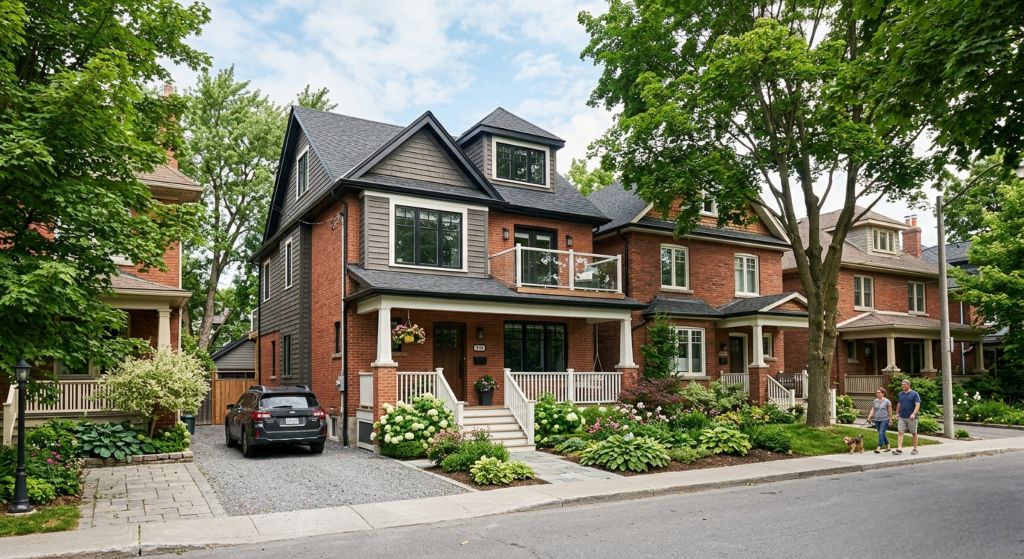
Westboro’s Richmond Road and Wellington Street corridors offer a mix of major grocery chains, independent grocers, and a well-known restaurant scene, which gives residents real choice but also real room for spending to climb.
According to Statistics Canada’s most recent household spending survey, average household spending on food purchased from stores reached $8,659 annually, up 7.4% from two years earlier. That national figure is a useful baseline, though individual grocery bills vary widely with household size and shopping habits. Dining out in Westboro spans everything from casual lunch spots to destination restaurants, and it’s one of the more discretionary categories in a Westboro budget, meaning it’s also one of the easiest to control.
Utilities and Monthly Bills
Utility costs in Westboro follow the same pattern as the rest of Ottawa: they depend heavily on dwelling size, heating source, and season. Electricity is billed through Hydro Ottawa’s residential rate schedule, and costs typically rise in winter and summer months when heating and cooling demand peaks. Natural gas heating is common across Westboro’s older character homes and newer condo buildings alike, with bills climbing noticeably during Ottawa’s coldest months.
Internet and mobile phone plans round out the monthly utility picture, with pricing driven by provider, speed, and data requirements rather than by neighbourhood. Renters should confirm which utilities, if any, are bundled into their monthly rent before signing a lease, since practices vary building to building across Westboro’s rental stock.
Older Westboro character homes, in particular, can carry higher heating costs than newer builds or condo units with updated insulation and windows. Buyers evaluating an older home should factor the condition of major systems, insulation, and windows into their cost expectations rather than relying on the previous owner’s utility bills alone, since usage patterns and equipment efficiency can differ significantly between households.
Practical Ways to Manage the Cost of Living in Westboro
Even in a premium neighbourhood, there are real ways to keep costs in check without giving up what makes Westboro appealing.
- Lean on walkability and transit. Westboro’s high Walk Score and strong transit access make it realistic for many households to reduce or eliminate car ownership.
- Compare housing types carefully. A condo purchase, a shared rental, or a smaller unit can meaningfully lower the entry cost into the neighbourhood compared with a detached home.
- Shop and plan around the neighbourhood’s grocery options. Comparing prices across Westboro’s grocery chains and independent shops, and planning meals, helps offset the area’s dining and grocery costs.
- Use free local resources. The Ottawa Public Library offers free programming, and Westboro’s parks and pathways provide low-cost recreation year-round.
- Build a realistic budget before committing. The Financial Consumer Agency of Canada’s budgeting tools are a straightforward way to map out housing, transportation, and living costs before signing a lease or an offer.
Anyone comparing Westboro against other west-end options should also review this Westboro real estate guide, which lays out the broader market context alongside these cost considerations.

Local Guidance on Westboro Costs from Jason Polonski
This breakdown of the cost of living in Westboro is put together by Jason Polonski, a REALTOR® with Right at Home Realty, who has spent 15+ years working Ottawa’s resale market, including its west end and core neighbourhoods like Westboro. His background includes hands-on construction and electrical trades experience alongside a Bachelor of Commerce in Marketing and Finance, which shapes how he walks clients through the real costs of owning a home, not just the purchase price.
Jason works with both buyers and sellers, navigating Westboro’s competitive market, and he’s available seven days a week to talk through financing, budgeting, or timing questions before they become expensive mistakes. Homeowners weighing a move can also read his guide to selling a home in Westboro for a fuller picture of what a transition into or out of the neighbourhood involves. For a direct conversation about what living in Westboro would cost for a specific situation, reach out to this Westboro REALTOR® at (613) 601-9333.
Cost of Living in Westboro (FAQs)
Yes, Westboro runs more expensive than the Ottawa average, mainly because of housing costs, whether renting or buying. Its high walkability and strong transit access do let many residents cut back on car ownership, which offsets some of that premium.
CMHC’s citywide data puts average purpose-built apartment rent at roughly $1,926 a month and condo apartment rent at roughly $2,503 a month. Westboro rents typically sit above these citywide figures, especially for units near the LRT or the riverfront.
It depends on the buyer’s finances and timeline: renting has a lower upfront cost, while buying builds equity but adds a purchase price generally above Ottawa’s roughly $721,000 citywide average, plus property tax, insurance, and maintenance. A REALTOR® or mortgage professional can model both scenarios against a specific budget before a decision is made.
Ottawa’s 2026 residential property tax rate is roughly 1.2% of a home’s assessed value, and because Westboro assessments tend to run above the citywide average, tax bills here typically follow suit. The City of Ottawa’s property tax estimator gives an owner-specific figure based on a property’s current assessment.
OC Transpo’s adult monthly pass is $138.50 as of 2026, and a single adult Presto fare is $4.10 ($4.15 in cash), each with a 90-minute transfer window. Westboro’s Transit Score near the top of the scale makes a monthly pass a practical option for many residents who commute regularly.
Not necessarily. Westboro’s Walk Score is in the high 70s, and strong transit access mean many residents manage daily needs on foot, by bike, or by transit. Those who do drive should budget for gas, which has generally run between $1.55 and $1.70 per litre in the Ottawa region through mid-2026, plus insurance and often paid parking in the commercial core.
Grocery spending varies with household size and shopping habits, but Statistics Canada’s most recent household spending survey put average annual household spending on food from stores at $8,659 nationally. Westboro offers a mix of major grocery chains and independent grocers along Richmond Road, giving residents room to compare prices.
For many buyers and renters, yes: Westboro’s walkability, transit access, and steady demand have supported strong resale value relative to many other Ottawa neighbourhoods. Anyone weighing the premium should compare it against their own budget and long-term plans rather than relying on citywide averages alone, which is where a conversation with a local REALTOR® like Jason Polonski can help.