Selling a Home in Manotick: A Local REALTOR®’s Guide | Jason Polonski
Selling a home in Manotick is a different exercise than selling in a tract subdivision, because almost no two properties here are directly comparable. The village mixes century homes near Watson’s Mill, custom builds on treed acre lots, waterfront along the Rideau River, and newer family homes in Mahogany and Manotick Estates. That variety is the reason Manotick attracts the buyers it does — and the reason a lazy pricing or marketing approach costs sellers real money.
This guide covers what actually moves the needle: reading the local market, pricing a property with few true comparables, preparing rural systems like wells and septic beds, marketing to a buyer pool that mostly comes from outside the village, and coordinating closing with a purchase. It is written for owners who want a clear plan before the sign goes up.

What Makes Selling a Home in Manotick Different
Manotick sits roughly 25 kilometres south of downtown Ottawa, and it functions as a village rather than a suburb. Buyers are choosing lot size, privacy, and a walkable core with independent shops — not proximity to a light rail station.
That has practical consequences for a sale. Pricing leans more heavily on property-specific features than on neighbourhood averages, and the buyer pool is smaller but more motivated. A well-presented home can command a premium; a poorly prepared one tends to sit, because buyers paying village prices expect village quality.
Property types and how they sell
| Property type | What drives the sale |
|---|---|
| Village core/century homes | Character, walkability, and condition of older systems |
| Estate lots (1+ acre) | Privacy, well and septic condition, outbuildings, commute |
| Rideau River waterfront | Frontage, shoreline condition, views, flood considerations |
| Newer family subdivisions | Layout, finishes, schools, move-in readiness |
| Rural acreage on the outskirts | Land use, zoning, road access, seasonal maintenance |
Waterfront and near-water properties carry an extra layer. Owners should be aware of shoreline and floodplain regulations administered by the Rideau Valley Conservation Authority, since permitted work and setbacks are questions informed buyers ask early.
The market context sellers are working within
Ottawa’s housing market is shaped by a stable public-sector employment base and steady population growth, which historically dampens the volatility seen in other large Canadian markets. Sellers can track broader conditions through CMHC’s housing market data and national sales statistics published by CREA.
Interest rates remain the single biggest swing factor in buyer purchasing power. The Bank of Canada’s policy interest rate announcements are worth watching in the months before listing, because rate movement changes what the move-up buyer at the top of the market can afford.
Who Buys Homes in Manotick
Most Manotick buyers are not moving from within Manotick. They come from Barrhaven, Riverside South, Nepean, and increasingly from other cities, looking for more land than an in-town budget allows.
Three profiles show up repeatedly. Move-up families trading a suburban home for space and schools. Downsizers who want to stay in the village but shed maintenance. And professionals or retirees drawn to waterfront and estate properties often pay cash or with substantial equity.
Understanding what these buyers value shapes how a home is presented. Many of the same qualities that appear in guides on why people choose to live in Manotick — the village core, the Rideau, the pace — are exactly what listing photography and copy should lead with.
Buyers also research schools before they book a showing. Catchments and program details are published by the Ottawa-Carleton District School Board and the Ottawa Catholic School Board, and sellers of family homes should have that information confirmed rather than guessed at.
Sell Your Ottawa Home for Just 1% Listing Commission
Why pay 2.5% listing commission to sell your home when you don't have to? Jason Polonski lists Ottawa homes for a simple 1% listing commission. Full MLS® and REALTOR.ca exposure, professional photography, powerful online marketing, expert pricing, and a skilled negotiator fighting for every dollar of your sale price. Top-tier service — you just keep thousands more when your home sells. Smart sellers are already making the switch. Your home deserves the best, and your wallet deserves a break.
Pricing a Manotick Home Correctly
Pricing is where Manotick sales are won or lost. In a subdivision, five recent sales on the same street settle the question. In Manotick, a comparable might be a kilometre away, on half the land, with a different well.
A proper comparative market analysis adjusts for lot size, water access, age and quality of construction, outbuildings, and septic and well condition — not just square footage and bedroom count. When true comparables are thin, current competing inventory matters as much as sold data, which is why reviewing active Manotick homes for sale is part of the pricing conversation.
Two failure modes are common. Overpricing an unusual property “to test the market” burns the first few weeks, when buyer attention is highest, and often leads to a lower eventual sale price. Underpricing a distinctive property in the hope of a bidding war assumes a buyer pool deep enough to compete, which does not always exist at the upper end of the village market.
Ontario sellers should also understand how offers can now be handled. Under the province’s Trust in Real Estate Services Act framework, sellers may choose an open bidding process in a multiple-offer situation, and that choice should be a deliberate strategy decision rather than an afterthought.
Get Cash Back When You Buy a Home in Ottawa
Can you get cash back when buying a home in Ottawa? Yes. Jason Polonski, a Chairman's Club REALTOR® serving Ottawa and Kanata, shares part of his commission with buyers — up to $3,000 cash back at closing.* You still get full-service, award-winning representation: expert pricing, sharp negotiation, and hands-on guidance from first showing to keys in hand. No cut corners and no rebate-only shortcuts — just real money back in your pocket when you buy your Ottawa or Kanata home.
Preparing the Property for Sale
Preparation in Manotick goes beyond decluttering. Buyers of rural and semi-rural property scrutinize systems, and a surprise at the inspection stage is the most common reason a firm-looking deal falls apart.
Wells, septic systems, and rural infrastructure
Homes outside the serviced village core typically run on a private well and septic system. Sellers should have recent water quality results in hand — testing is available through Public Health Ontario’s water testing program — and be able to speak to the age, tank size, and pump-out history of the septic bed.
Well construction and maintenance obligations are set out in Ontario’s private wells guidance. Documentation here does two things: it removes a negotiating lever from the buyer, and it signals that the property has been maintained.
Condition, systems, and inspection readiness
Electrical panels, aging knob-and-tube in older village homes, sump pumps, HVAC age, and roof life all come up. Addressing known deficiencies before listing is almost always cheaper than conceding on price after an inspection report lands.
Radon is worth testing for as well. Health Canada’s radon guidance explains testing and mitigation, and a completed test is a genuine selling point in a region where levels vary from property to property.
Presentation and curb appeal
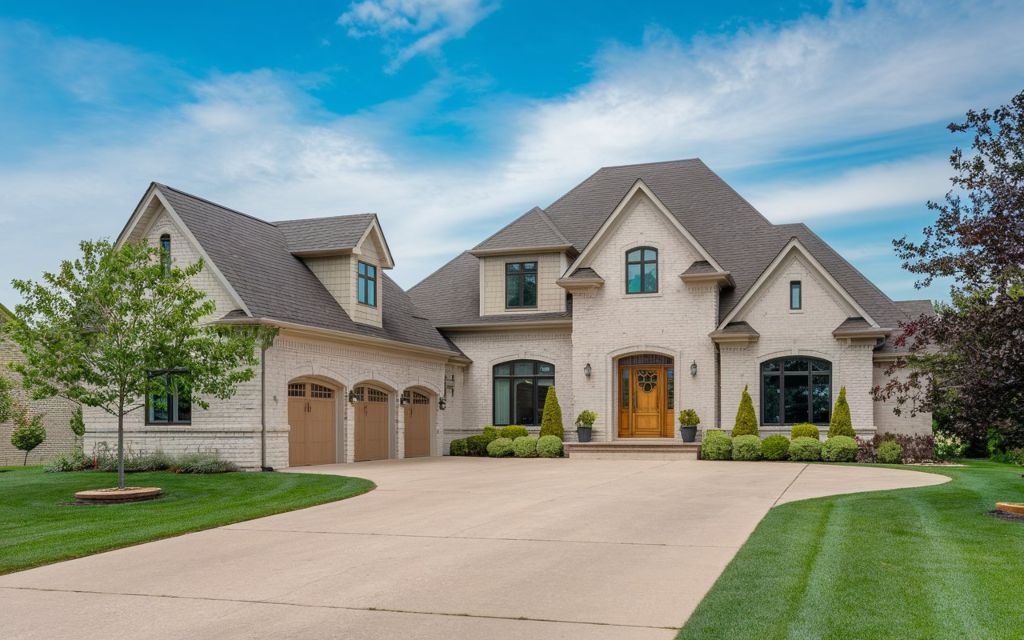
Landscaping carries more weight on a large lot than it does on a 40-foot frontage. Clean lines at the driveway, maintained tree cover, and a defined entry make the difference in the first photographs.
Inside, neutral paint, decluttered storage areas, and updated lighting deliver the best return for the money spent. Full renovations rarely recover their cost in a resale context — targeted improvements almost always do.
Marketing a Manotick Listing
Because most buyers come from outside the village, exposure has to reach beyond it. That starts with a complete, well-written MLS® listing that syndicates properly to REALTOR.ca, where the large majority of Canadian buyers begin their search.
Photography deserves real investment in distinctive properties. Twilight exteriors, drone imagery showing lot boundaries and river frontage, and floor plans help buyers understand a property that a standard photo set flattens.
Beyond the listing itself, effective marketing includes targeted digital advertising to relevant Ottawa audiences, direct outreach to agents with active buyers in the price band, and content that gives context to the community. Sellers who want the broader picture of local conditions can start with the complete Manotick real estate guide or the Manotick community overview.
Offers, Closing Costs and Coordinating the Move
Once offers arrive, price is the only variable. Conditions, deposit size, closing date, and the buyer’s financing strength all affect whether an accepted offer actually closes.
Sellers should build a realistic cost estimate early rather than at the lawyer’s office.
| Seller cost | Notes |
|---|---|
| Real estate commission | Negotiated and set out in the listing agreement |
| Legal fees and disbursements | Handled by a real estate lawyer at closing |
| Mortgage discharge or penalty | Varies by lender and term; confirm in writing |
| Property tax and utility adjustments | Prorated to the closing date |
| Moving, storage, staging | Depends on timing and property size |
Land transfer tax is a buyer cost in Ontario, not a seller cost, though sellers purchasing another home will pay it on that transaction — Ontario’s land transfer tax information sets out the calculation. For sellers reviewing budgets more broadly, the Financial Consumer Agency of Canada’s guidance on the costs of buying and selling a home is a useful reference.
Timing matters most when a sale and a purchase run in parallel. Aligning closing dates, or arranging bridge financing when they cannot be aligned, is a planning problem best solved before an offer is signed — the same coordination discussed in the guide to buying a house in Manotick.

About Jason Polonski, Manotick REALTOR®
Jason Polonski is a full-time REALTOR® with Right at Home Realty, based in Kanata and working across Ottawa’s west and south ends, including Manotick, Barrhaven, Riverside South, and Carp. He has spent more than fifteen years helping hundreds of buyers and sellers through moves that usually involve both sides of a transaction at once.
His background before real estate was in construction and the electrical trades, with a technical diploma in Construction Electricity and a Bachelor of Commerce in Marketing and Finance from Concordia. On Manotick properties — where wells, septic systems, older wiring, and outbuildings routinely come up — that experience means condition issues get identified before a buyer’s inspector finds them.
Jason’s approach to selling starts with the move itself rather than the listing price: understanding where a seller is going, what has to happen first, and how to sequence the sale so timing does not force a bad decision. Pricing and marketing follow from that plan. Sellers considering a move can reach him seven days a week to discuss the property and the market on their street. More background is available on his Manotick REALTOR® page.
Selling a Home in Manotick (FAQs)
Timelines in Manotick vary more than in most Ottawa neighbourhoods because properties are less directly comparable — a move-in-ready subdivision home and a one-of-a-kind waterfront property attract very different buyer pools. Realistic planning covers preparation and photography, an active listing period, and a 30 to 60-day close, so most sellers should think in months rather than weeks from decision to closing.
Spring and early fall typically bring the most active buyers, and large lots, gardens, and river frontage show far better in those seasons than under snow. That said, distinctive village and estate properties sell year-round to buyers who are searching for something specific and have less competition to contend with in winter.
Not legally, but sellers of homes on private services are strongly advised to have both ready before listing. Buyers of rural Ottawa properties almost always make an offer conditional on well and septic results, and having recent water quality testing and septic pump-out records in hand removes a negotiating lever and prevents surprises late in the deal.
Sellers should budget for real estate commission, legal fees and disbursements, any mortgage discharge or prepayment penalty from their lender, prorated property tax and utility adjustments, and moving or staging costs. Land transfer tax is paid by the buyer in Ontario, so it is only a seller’s cost if that seller is also purchasing another property.
Targeted improvements almost always outperform full renovations. Fresh neutral paint, updated lighting, decluttered storage, and tidy landscaping deliver the strongest return, while a new kitchen or bathroom rarely recovers its full cost at resale — and on older village homes, correcting known electrical, roof, or moisture issues is a better use of money than cosmetic upgrades.
Pricing relies on adjusted comparables plus current competing inventory. When recent sales are thin, the analysis weighs lot size, water access, construction quality, outbuildings, and well and septic condition against what is actively listed, because a buyer’s real choice is between the homes available today — not last year’s sold data.
Yes, and most Manotick sellers do. The two transactions need to be sequenced deliberately — either by aligning closing dates, negotiating a longer close on the sale, or arranging bridge financing through a lender — and that plan should be settled before an offer is signed rather than after.
Most Manotick buyers come from elsewhere in Ottawa, particularly Barrhaven, Riverside South, and Nepean, looking for more land and a village setting within commuting distance of the city. The pool also includes downsizers who want to stay in the village, and buyers relocating from other cities who are drawn to Rideau River waterfront and estate properties.