Dunrobin Real Estate
This Dunrobin real estate guide gives buyers and sellers a clear, current picture of one of Ottawa’s most sought-after rural communities — from typical home prices and property types to the well, septic, and lot considerations that come with country living. Located along the Ottawa River roughly 25 kilometres west of downtown, Dunrobin blends acreage, custom homes, and waterfront living with easy access to Kanata’s shops and employment. Jason Polonski, a full-time REALTOR® with 15+ years of experience across Ottawa’s west end, has helped hundreds of buyers and sellers navigate exactly this kind of market. The pages that follow break down what makes Dunrobin distinctive and how to buy or sell here with confidence.

Understanding the Dunrobin Real Estate Market
Dunrobin is a stable, ownership-driven market. The overwhelming majority of residents own rather than rent, which reflects the community’s established roots and the fact that most homes sit on generous lots rather than in high-density developments. That ownership profile tends to keep turnover modest, so well-priced homes in desirable pockets attract steady interest.
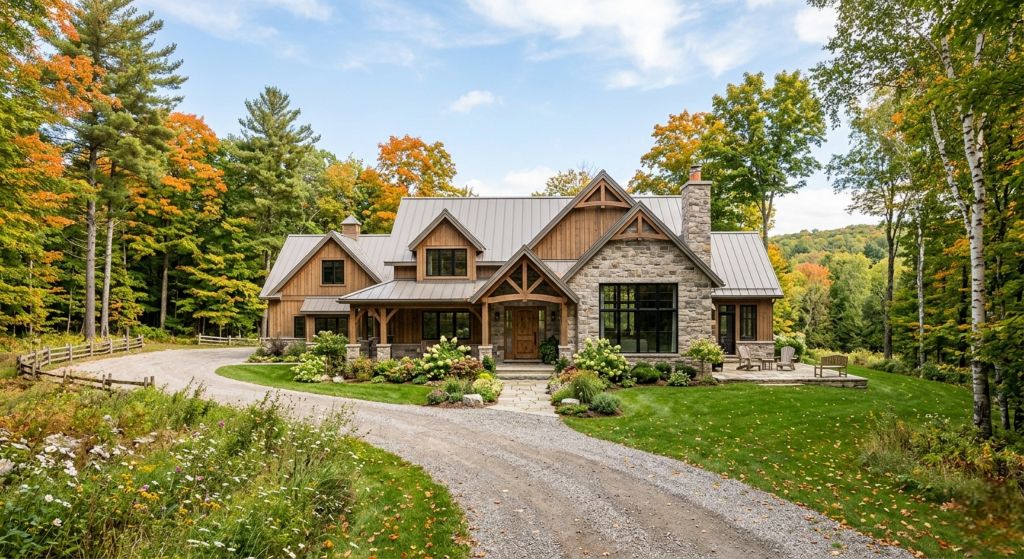
Housing stock leans heavily toward single-detached homes, with a smaller share of townhouses and the occasional rural estate. Buyers will find everything from mid-century bungalows to newer custom builds, with roughly a third of the housing constructed since 2000. This mix gives buyers real choice: character homes with mature trees, or modern layouts with contemporary finishes and updated systems.
Because Dunrobin sits outside the urban core, its market moves a little differently from Ottawa’s central neighbourhoods. Demand is driven by lifestyle — space, privacy, and proximity to nature — more than by pure commute convenience. For a deeper look at the community itself, the Dunrobin neighbourhood guide covers local context in detail, and current listings are tracked on the Dunrobin homes for sale page.
Interest rates remain a major factor in what rural buyers can afford. Tracking the Bank of Canada’s policy rate decisions and reviewing housing data from the Canada Mortgage and Housing Corporation helps buyers time their purchase and set a realistic budget.
Property Types and Price Ranges in Dunrobin
Dunrobin serves a wide range of budgets, from first-time buyers stretching into the country to luxury purchasers seeking waterfront acreage. The most common configurations are three-bedroom and four-or-more-bedroom detached homes, which suit families and downsizers who still want space. The table below outlines the broad segments buyers typically encounter.
| Segment | What to Expect |
|---|---|
| Entry-level | Smaller bungalows and townhouses, generally the most budget-friendly options in the community. |
| Mid-range | The core of the market — three to four-bedroom detached homes on sizable, treed lots. |
| Luxury | Estate and waterfront properties with acreage, premium finishes, and Ottawa River access. |
Price ranges shift with interest rates and inventory, so buyers should treat any published band as a starting point rather than a guarantee. Because these figures change, it’s worth confirming current values before making an offer or setting a list price. Prospective buyers weighing the full financial picture — property taxes, well and septic upkeep, heating, and commuting costs — will find the cost of living in Dunrobin breakdown a useful companion to this guide.
Nationwide listing inventory can be browsed on REALTOR.ca, while buyers planning their down payment and mortgage strategy can review the guidance from the Financial Consumer Agency of Canada.
Sell Your Ottawa Home for Just 1% Listing Commission
Why pay 2.5% listing commission to sell your home when you don't have to? Jason Polonski lists Ottawa homes for a simple 1% listing commission. Full MLS® and REALTOR.ca exposure, professional photography, powerful online marketing, expert pricing, and a skilled negotiator fighting for every dollar of your sale price. Top-tier service — you just keep thousands more when your home sells. Smart sellers are already making the switch. Your home deserves the best, and your wallet deserves a break.
Neighbourhoods Within Dunrobin
Dunrobin is not a single uniform area — it’s a collection of distinct pockets, each with its own character and price profile. Understanding these differences helps buyers focus their search and helps sellers position a home against the right comparables.
Dunrobin Shores
This waterfront enclave along the Ottawa River is prized for its views and recreational access. Homes here range from cottages and bungalows to larger detached properties, and waterfront frontage typically commands a premium. The Dunrobin Shores page covers this pocket in more depth.
Village Core and Rural Surrounds
The historic village centre offers established homes and a genuine community feel, while the surrounding rural roads feature acreage, hobby farms, and custom builds set well back from the road. Buyers drawn to privacy and land gravitate here, often trading a longer driveway for more space and quiet.
Buyers new to the community should start with the Dunrobin homebuyers guide, which walks through the search and offer process step by step. Those still deciding whether Dunrobin is the right fit can review the reasons to buy a home in Dunrobin.
Get Cash Back When You Buy a Home in Ottawa
Can you get cash back when buying a home in Ottawa? Yes. Jason Polonski, a Chairman's Club REALTOR® serving Ottawa and Kanata, shares part of his commission with buyers — up to $3,000 cash back at closing.* You still get full-service, award-winning representation: expert pricing, sharp negotiation, and hands-on guidance from first showing to keys in hand. No cut corners and no rebate-only shortcuts — just real money back in your pocket when you buy your Ottawa or Kanata home.
What to Check Before Buying a Rural Dunrobin Home
Rural properties come with systems that urban buyers rarely think about, and overlooking them is the most common mistake first-time country buyers make. Jason’s background in the construction and electrical trades makes this part of the process a genuine advantage — he knows what to look for before an offer is written, not after.
Most Dunrobin homes rely on a private well and a septic system rather than municipal services. Buyers should confirm water quantity and quality through testing and understand maintenance obligations, using resources such as the Ontario government’s guidance on private wells and drinking water and the City of Ottawa’s information on septic systems. A septic inspection is money well spent, given the cost of replacement.
Two more items matter in rural Ottawa. Radon, a naturally occurring soil gas, is more of a concern in some rural areas, and Health Canada recommends testing every home. Older electrical panels and outbuilding wiring should also be reviewed; the Electrical Safety Authority sets the standards Ontario homes must meet. Flagging these issues early protects a buyer’s budget and negotiating position.
Selling a Home in Dunrobin
Selling in Dunrobin rewards sellers who understand what rural buyers actually value: land, privacy, water access, and well-maintained systems. Generic listings undersell these homes. The most successful sales lead with the features that set a property apart, backed by professional photography that captures the setting.
Accurate pricing is the foundation. Because Dunrobin properties vary so widely — a treed acre lot, a waterfront frontage, and a village bungalow are not interchangeable — pulling the right comparables takes local knowledge rather than an automated estimate. Sellers benefit from a strategy tailored to their specific pocket and property type, which is the focus of the selling your home in Dunrobin resource.
Presentation still matters in the country. Decluttering, minor repairs, and staging help buyers picture themselves in the home, while documentation of recent well tests, septic servicing, and system upgrades builds trust and shortens negotiations. A knowledgeable Dunrobin realtor coordinates all of this so the home reaches the right buyers at the right time.
Living in Dunrobin: Lifestyle, Schools, and Commute
Dunrobin’s appeal comes down to lifestyle. The Ottawa River anchors the community with boating, fishing, and swimming, and the surrounding forests and trails give residents room to hike, cycle, and simply enjoy the quiet. For families and outdoor-minded buyers, that daily access to nature is the whole point.
Schools and commute are practical realities worth planning around. The area is served primarily by the Ottawa-Carleton District School Board, and families should confirm current catchment boundaries directly, since they can change. The commute to downtown Ottawa runs roughly 25 kilometres, while Kanata’s employment centres, shopping, and services sit noticeably closer — a balance that lets residents enjoy country living without giving up convenience.
Everyday amenities are a short drive away in neighbouring Carp and Stittsville, with fuller shopping and entertainment in Kanata and central Ottawa. Buyers researching the community’s broader demographics can consult Statistics Canada’s census data for objective context on population and housing.

Work With Jason Polonski, Your Dunrobin Real Estate Expert
This Dunrobin real estate guide was prepared by Jason Polonski, a full-time REALTOR® with Right at Home Realty who has served Ottawa’s west end — including Kanata, Stittsville, Carp, and Dunrobin — for more than 15 years. His hands-on background in the construction and electrical trades, paired with a Bachelor of Commerce in Marketing and Finance, gives buyers and sellers a rare combination of market insight and practical knowledge of how homes are actually built and maintained. That expertise is especially valuable on rural properties where wells, septic systems, and older wiring can make or break a deal.
Jason approaches every move as a coordinator first: helping clients avoid a timing mistake before optimizing price, and building a clear plan around each family’s situation. Available seven days a week, he guides buyers and sellers through pricing, negotiation, and the details unique to country living. His full background is outlined on his Ottawa REALTOR® about page, and client experiences are visible on his Google Business Profile.
Anyone considering a move in Dunrobin is welcome to reach out for a no-pressure conversation about their goals. Learn more at ottawarealtyman.com or contact Jason directly at (613) 601-9333.
Dunrobin Real Estate (FAQs)
Dunrobin’s market is dominated by single-detached homes, ranging from mid-century bungalows to newer custom builds, with a smaller share of townhouses and rural estates. Most homes are three or four-bedroom properties set on generous, often treed lots, and waterfront homes are concentrated in pockets like Dunrobin Shores.
Yes — most Dunrobin properties rely on a private well and a septic system rather than municipal water and sewer. Buyers should test water quantity and quality and have the septic system inspected before closing, since replacement and upkeep are the owner’s responsibility.
Dunrobin sits roughly 25 kilometres west of downtown Ottawa, about a 30 to 40-minute drive depending on traffic. Kanata’s shops, services, and employment centres are noticeably closer, which is a big part of the community’s appeal for buyers who want rural living without a long commute for daily errands.
Dunrobin suits families who value space, safety, and access to nature, with large lots, quiet roads, and the Ottawa River and forest trails nearby. The area is served primarily by the Ottawa-Carleton District School Board, and families should confirm current catchment boundaries directly since they can change.
Beyond the usual home inspection, confirm the well’s water quality and flow, the age and condition of the septic system, radon levels, and older electrical or outbuilding wiring. These rural-specific items are the most common source of surprise costs, so flagging them before writing an offer protects both your budget and your negotiating position.
Dunrobin serves a wide range of budgets, from smaller entry-level bungalows and townhouses to mid-range detached family homes and luxury waterfront estates on acreage. Prices shift with interest rates and inventory, so it’s best to confirm current values for your specific pocket and property type before setting a budget or list price.
Well-priced homes in desirable Dunrobin pockets attract steady interest because turnover is modest and ownership rates are high. Whether the timing works for your situation depends on current inventory, interest rates, and your own buy-and-sell plans, which is where a tailored pricing and marketing strategy makes the difference.
Jason Polonski is a full-time Ottawa REALTOR® with 15+ years of west-end experience and a hands-on background in the construction and electrical trades, which is a real advantage on rural properties with wells, septic systems, and older wiring. He works as a move coordinator — helping clients avoid timing mistakes first, then optimizing price — and is available seven days a week at (613) 601-9333.